Winter Pike Prep: The Fish Care Kit and Handling Tips Every Pike Angler Needs
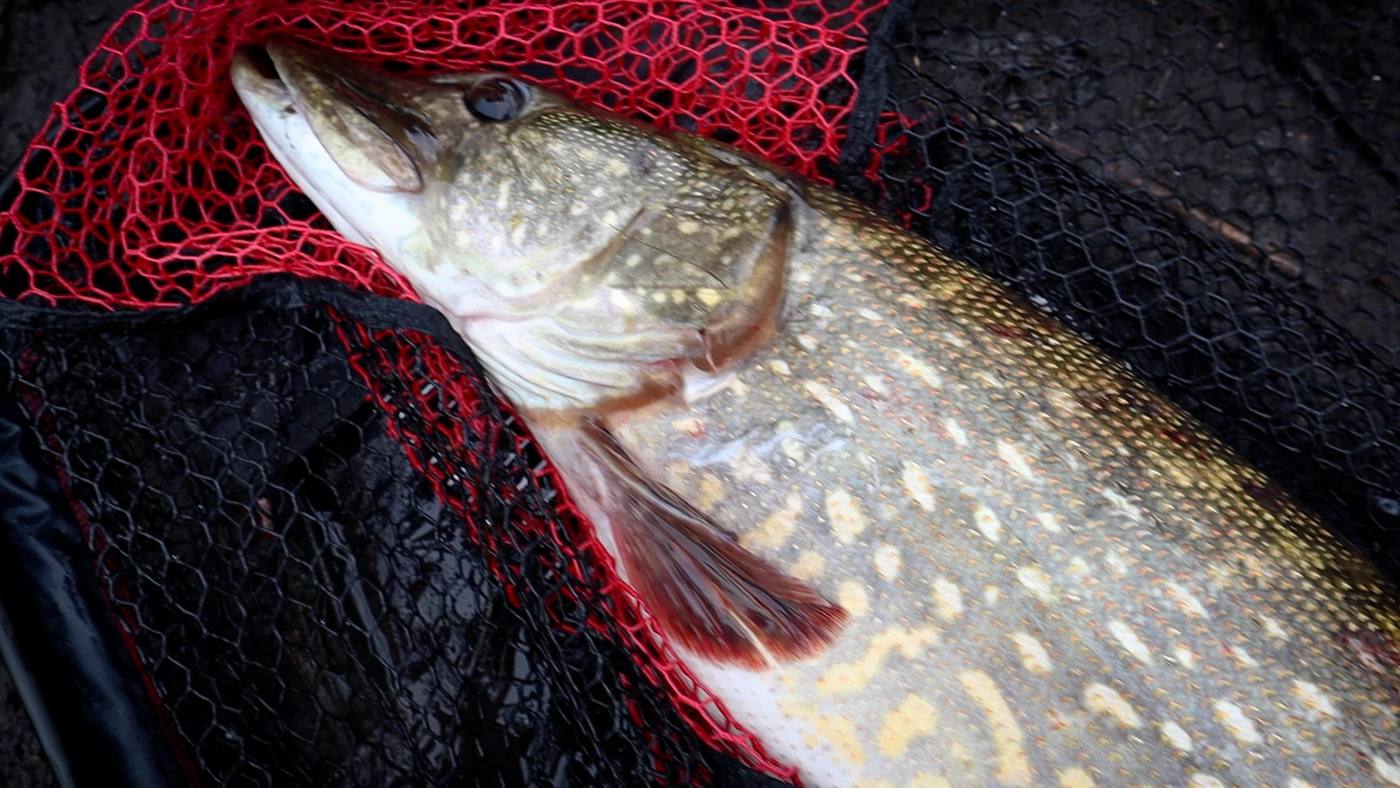
As the leaves come down and the first frosts arrive, a lot of us start thinking about one fish: pike. Colder water is when pike fishing really comes into its own, and it's when most anglers dust off the lure rods and deadbait gear. But before you head out, it's worth giving as much thought to your fish care kit as to your rigs.
Pike look tough, but they're surprisingly delicate out of the water. A big fish can be damaged by rough handling, a dry mat or a hook that takes too long to remove. Get the kit and the routine right, and every pike you catch goes back strong.
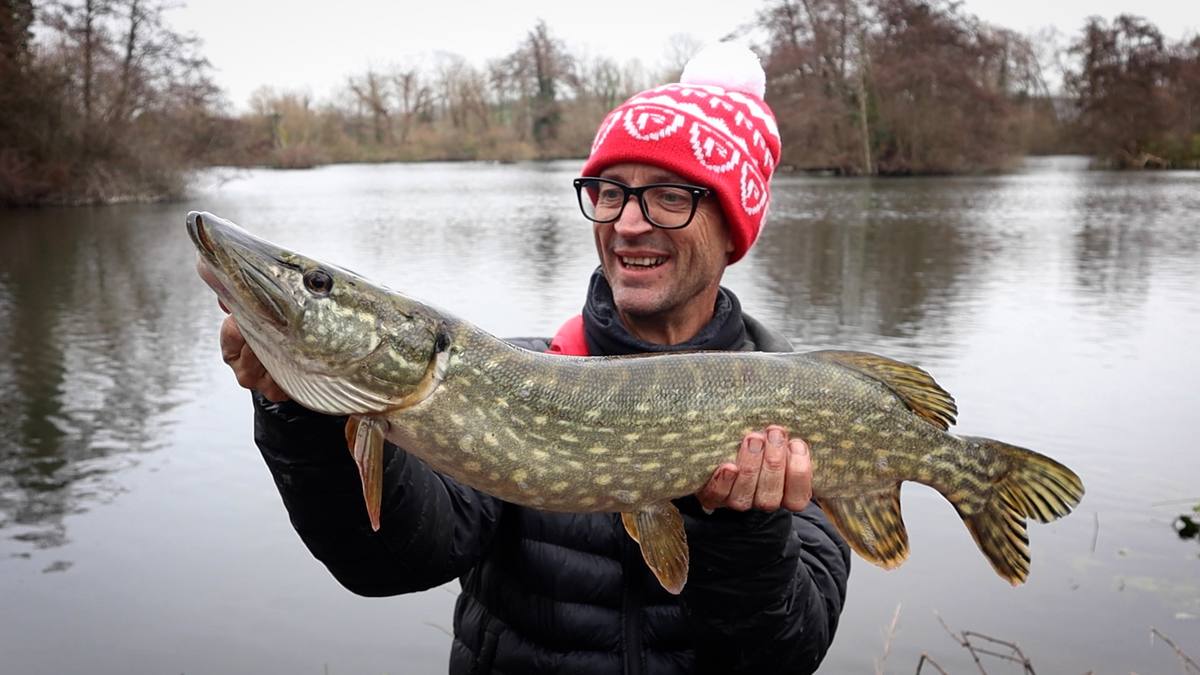
The essential pike fish care kit
You don't need a mountain of gear, but these four items should be in your bag on every pike session.
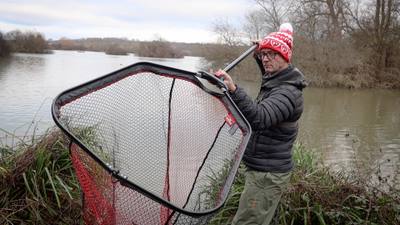
A large rubber (latex) landing net
A pike net needs to be big. A long fish should slide in without being bent, so a large, deep net is a must. Go for a rubberised or latex mesh rather than knotted nylon. Rubber mesh is gentle on the slime and fins, and hooks and trebles are far less likely to tangle in it, which makes unhooking much quicker. The Fox Rage Speedflow Folding Landing Net in the large size is a great choice: it's 70cm wide and 80cm deep, has rubberised fish-friendly mesh, floats if you drop it, and folds down small for roving.

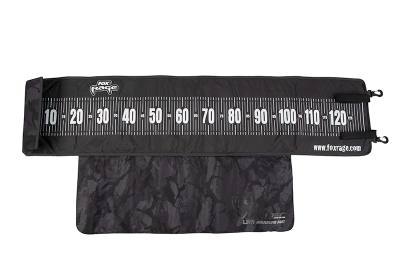
A padded unhooking mat
Never put a pike straight on the bank, however soft it looks. A well-padded unhooking mat protects the fish from stones, roots and frozen ground. Wet it thoroughly before the fish goes on it, and keep it wet. The Fox Rage Voyager Camo 1.3m Measure Mat is 134cm long when unrolled, so there's room for a good pike, and it doubles as a measure so you can record your fish without extra handling. It rolls up small enough to carry on a roving session.
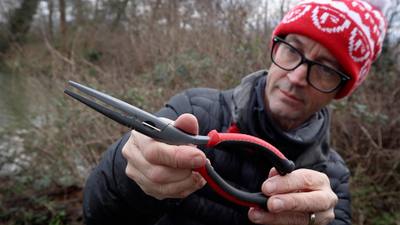
Long-nose pliers or forceps
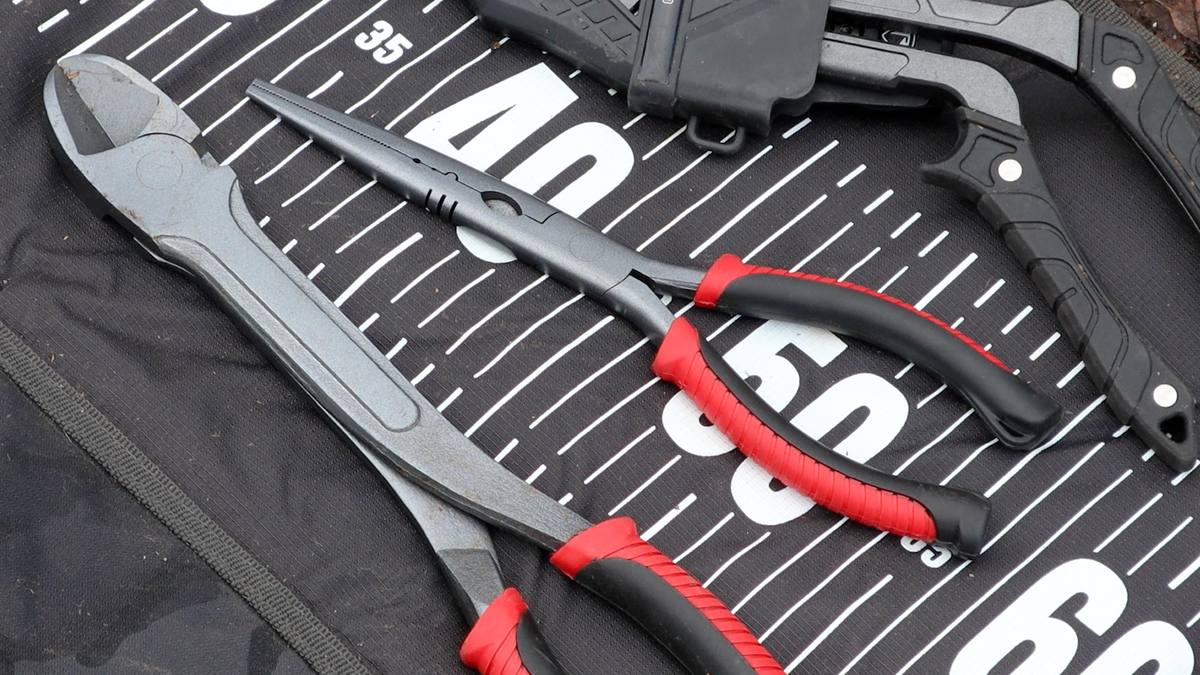
Pike have a mouth full of teeth, so your fingers stay well clear. Long-nose forceps or pliers let you reach hooks safely and grip them firmly. The Fox Rage Long Nose Pliers are 22cm long with a line-cutting blade, and the Fox Rage Belt Pliers come in 7.25", 9" and 12" sizes with a belt sheath, so they're always within reach. For deeper hooks, the longer the better.

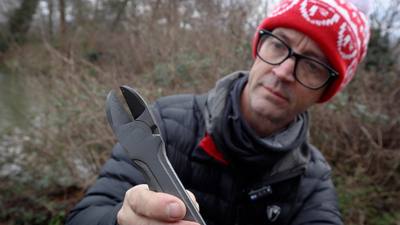
Side cutters
Side cutters are the tool most anglers forget, and the one that can matter most. If a hook is awkwardly placed, cutting it is far kinder than wrestling it out. Our Fox Rage Side Cutters are 28 cm long and made from CRV steel, so they'll cut through hooks cleanly when you need them to.

Don't forget: a wire trace
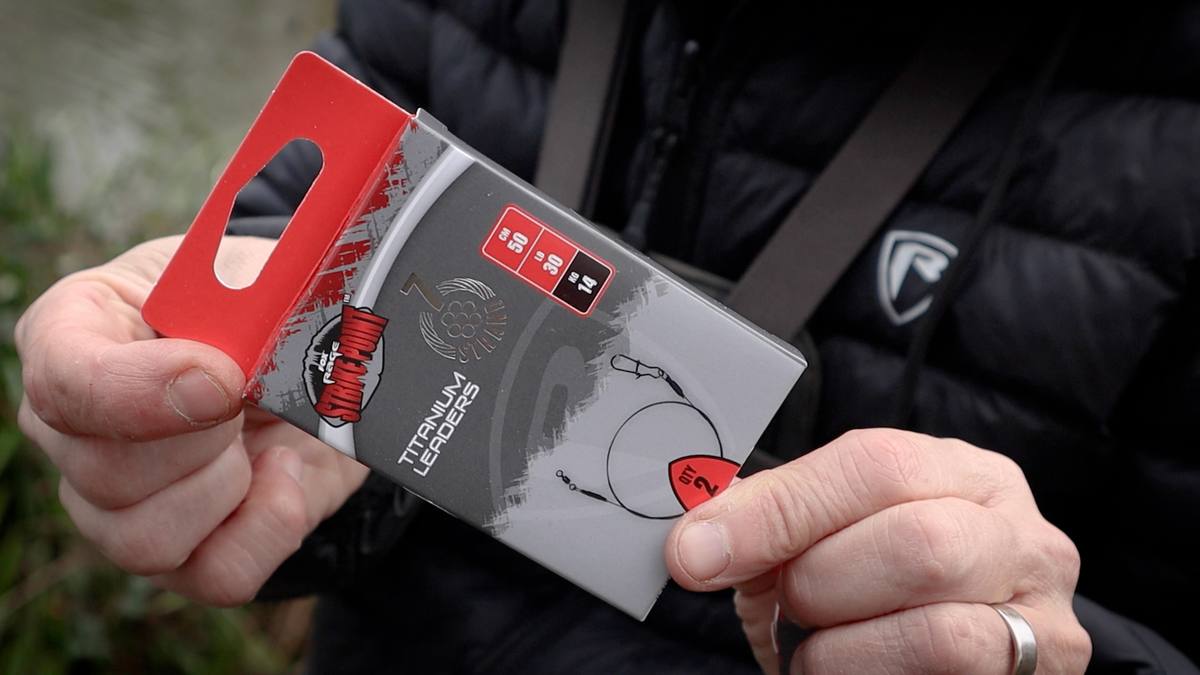
It isn't strictly unhooking kit, but a wire trace is the first line of fish care. Pike bite straight through mono and fluorocarbon, leaving hooks and lures stuck in a fish you can't retrieve. A quality trace, such as Fox Rage's titanium traces, prevents bite-offs completely.
For a closer look at each item, see our full guide to the Essential Fish Care Kit For Pike.
Handling and unhooking pike: our top tips
Good kit only helps if you use it well. Here's the routine we follow on every pike session.
Get set up before you cast. Net assembled, mat wet, forceps and cutters within reach. You shouldn't be hunting through your bag with a fish on the mat.
Strike early. On deadbaits, don't let a run go on too long, as that's how pike get deep-hooked.
Keep the fish wet. Wet your hands before touching the pike, and keep it on a wet mat. Splash water over it if unhooking takes more than a few seconds.
Use the gill-cover hold, carefully. With the pike on its back on the mat, slide a gloved hand under the gill cover along the outside edge, away from the gill rakers, and the jaw will usually open. Never put your fingers into the gills themselves.
Work fast and calmly. Use your forceps to grip the hook shank and twist it out. If a hook won't come free quickly, reach for the cutters rather than wrestling it.
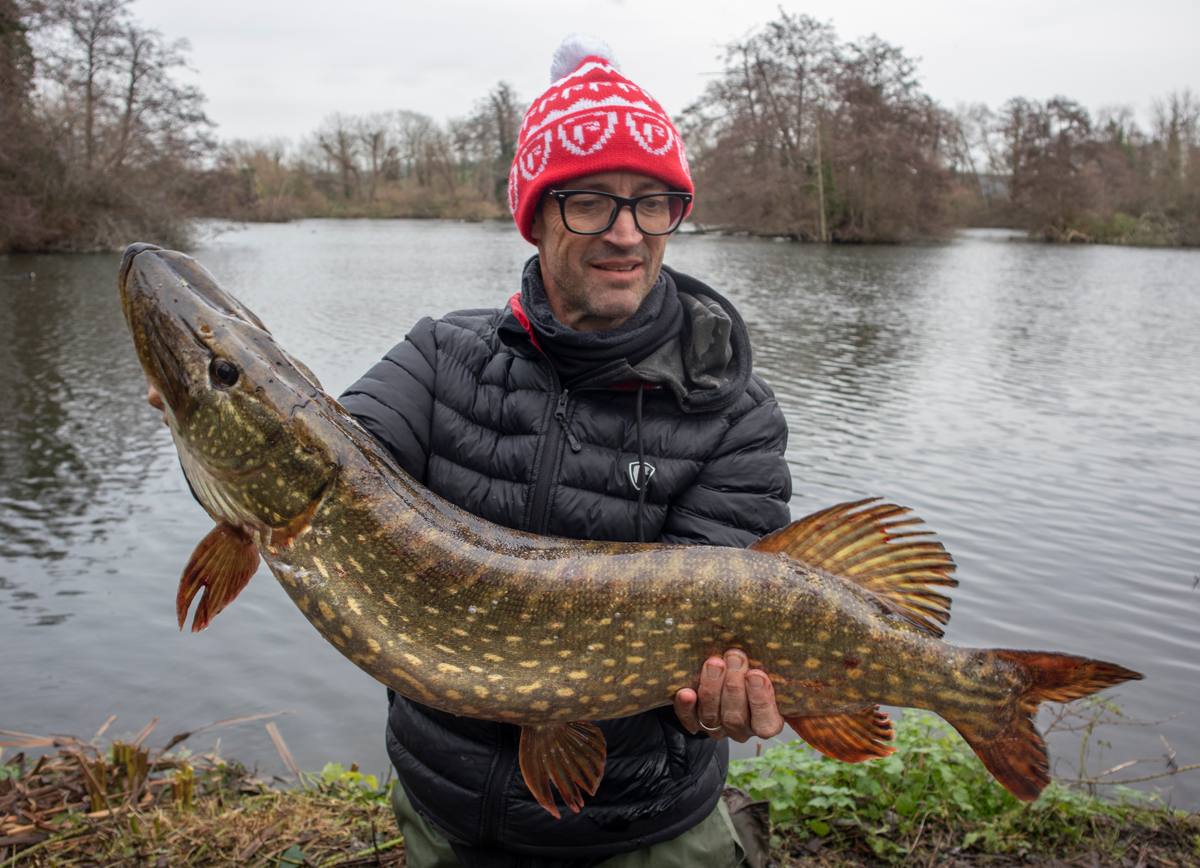
Support the fish properly. For a photo, hold the pike horizontally with one hand under the head and one supporting the belly, and stay low over the mat. Never hold a pike up by its jaw or gill alone.
Return it with care. Hold the pike upright in the water, facing into the flow on a river, until it kicks away under its own power. Don't let go of a fish that's still struggling to stay upright.
If you're new to pike, ask for help
If you've never unhooked a pike before, it's well worth going out with someone experienced the first few times. Watching a confident angler do it once will teach you more than any article. The Pike Anglers Club of Great Britain is a great place to find advice on responsible pike angling.
Ready for winter
Winter pike fishing is some of the most exciting fishing you can do, and looking after the fish is part of it. Get your net, mat, forceps and cutters sorted now, practise your routine, and you'll be ready for whatever the cold months bring.
Tight lines, and see you on the bank.