Rudd fishing in the Fens
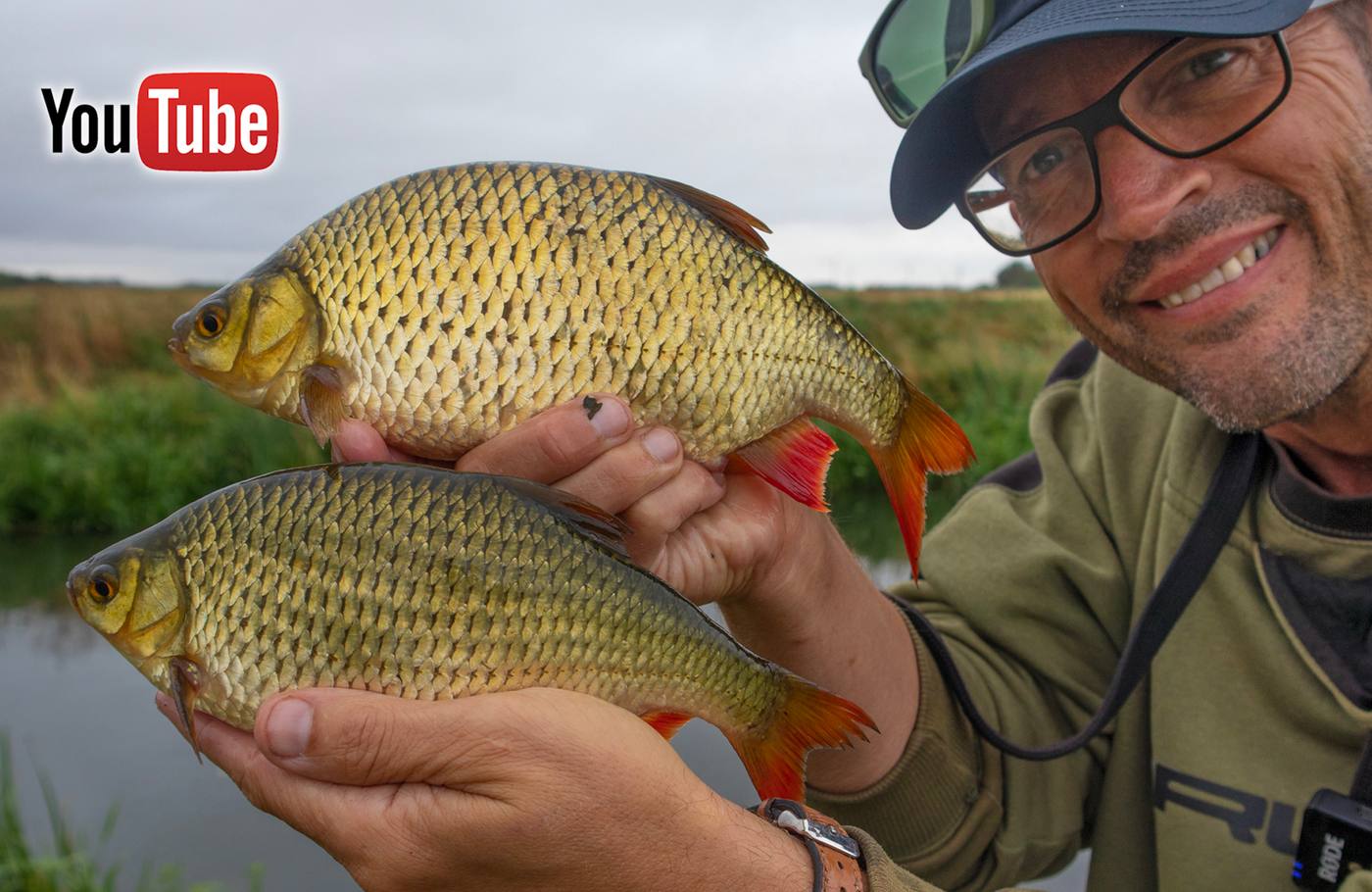
I’ve been wanting to go rudd fishing in the Fens for a while now. I love catching rudd with their golden flanks and red fins, they’re a bit like handling bars of gold.
RUDD FISHING in the Fens Life on the bank - Watch it on YouTube
You can view a full video of this session and my approach Rudd Fishing on the Fens on my YouTube channel – please click here and subscribe to follow more of my angling adventures.
We’re coming into Autumn now, the temperatures have been quite high for ages, but a change is on the way. I’ve decided to have a go for the rudd, before starting this year’s perch campaign.
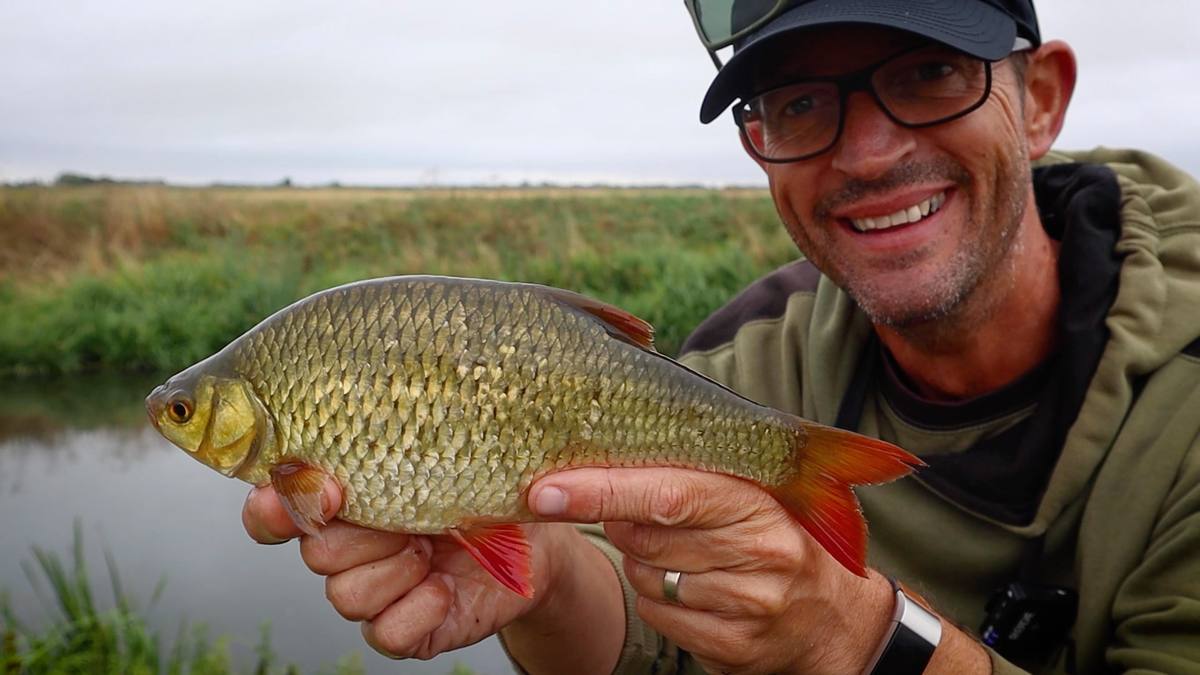
A stunning bar of gold from the Fens
The Fens is a huge network of drains and rivers in Cambridgeshire. I arrived with some good mates and we started to explore along the banks looking for signs of wild rudd. It’s a long way from home, so we decided to bivvy up at a nearby family campsite.
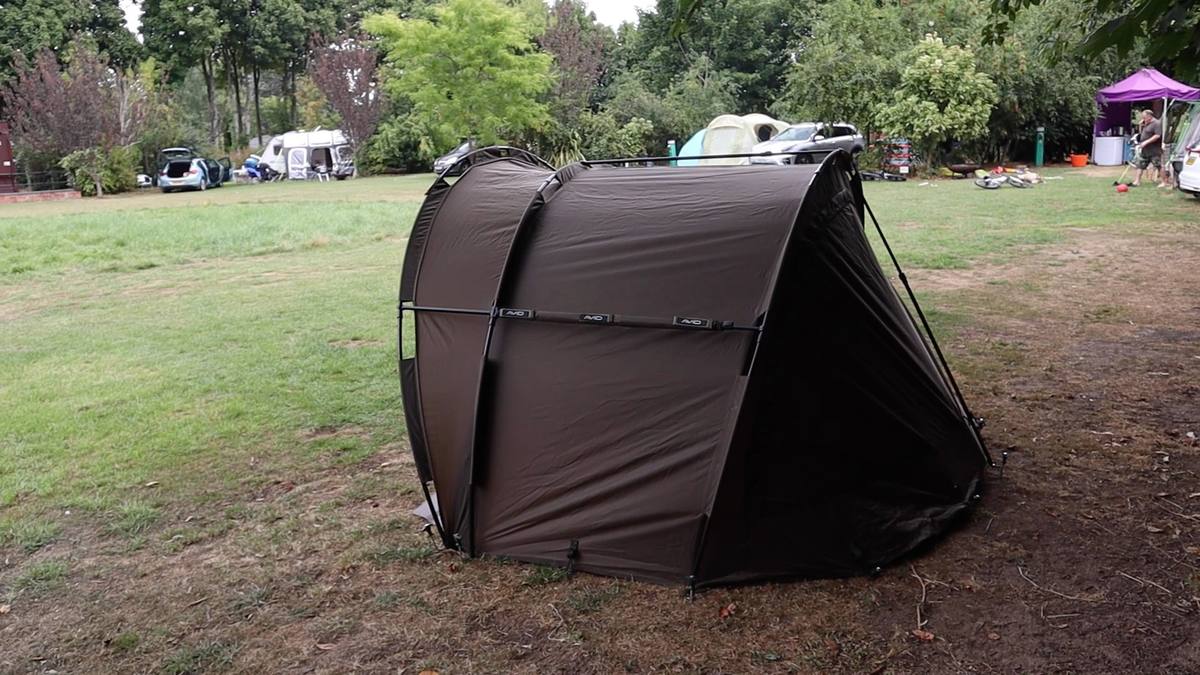
I set the bivvy up to enable me to fish at dawn and dusk – the key bite time for rudd
The Fens can be a challenging environment with miles and miles to cover and some very steep banks. We had a torrential downpour of rain on the first day which made the banks even more slippery than usual. I’m glad I decided to wear walking boots to protect my ankles as the banks were pretty treacherous in places, but that’s all part of this challenge to catch a 2lb rudd.
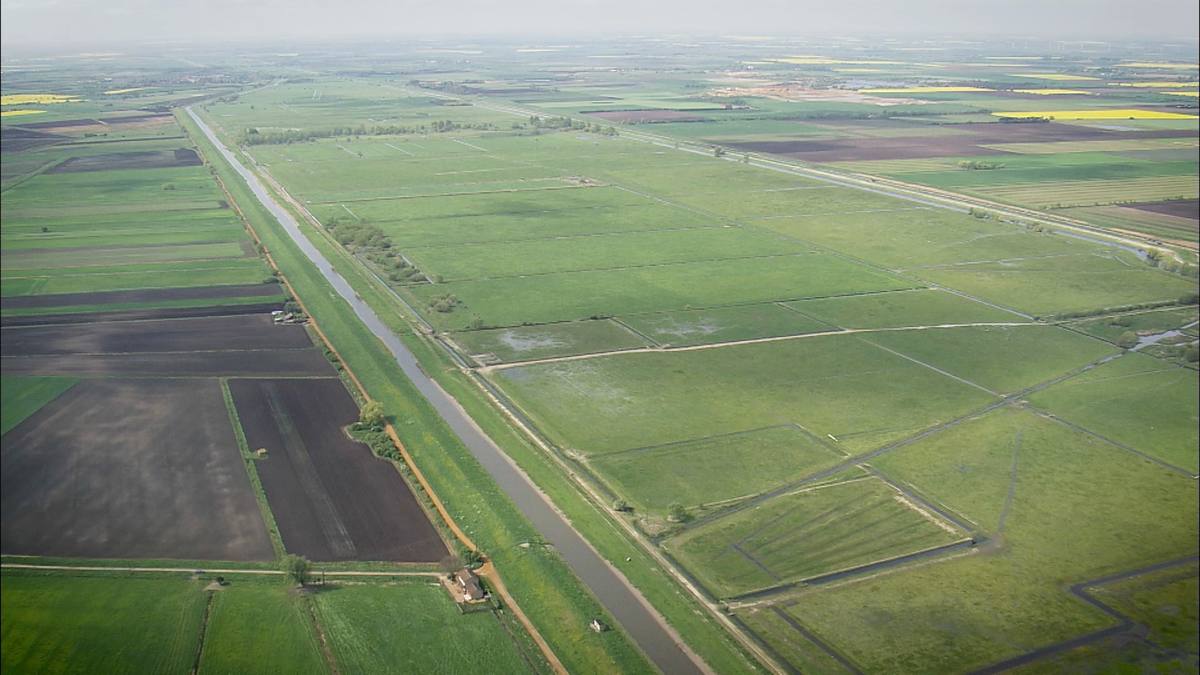
You can walk for miles and miles in the Fens – and I did, searching for a big rudd
After a big change in the weather from the hot days we’d enjoyed in the late summer to much colder conditions, I knew this was going to be a tricky session. Perhaps I’d left it too late in the season to target surface feeding rudd.
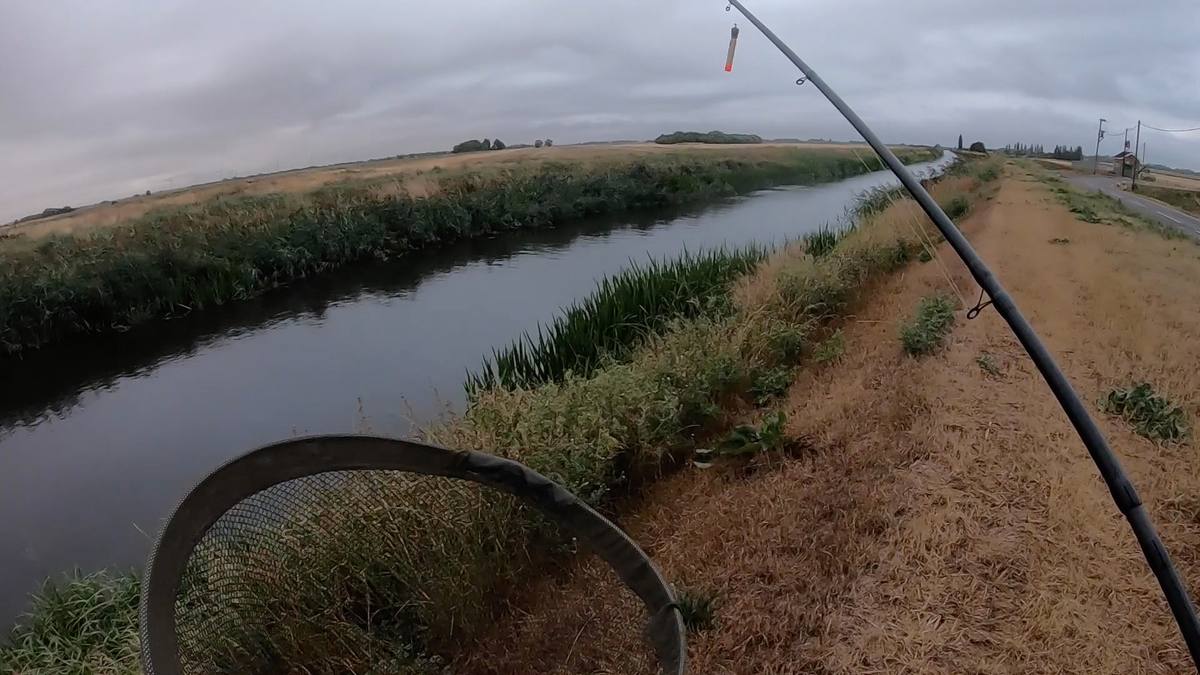
The poor weather conditions weren’t going to stop me from catching
Keep feeding to attract the bigger fish
Finding the bigger fish was going to be a challenge with so much water to cover. I was jumping in and out of the car searching for rudd by feeding and drifting chunks of bread, watching out for feeding fish. Rudd usually feed in the higher levels of the water and often on the surface. I could see small fish hitting the floating bread. If the bigger rudd weren’t present, I moved onto another stretch, as there’s plenty of water to cover.
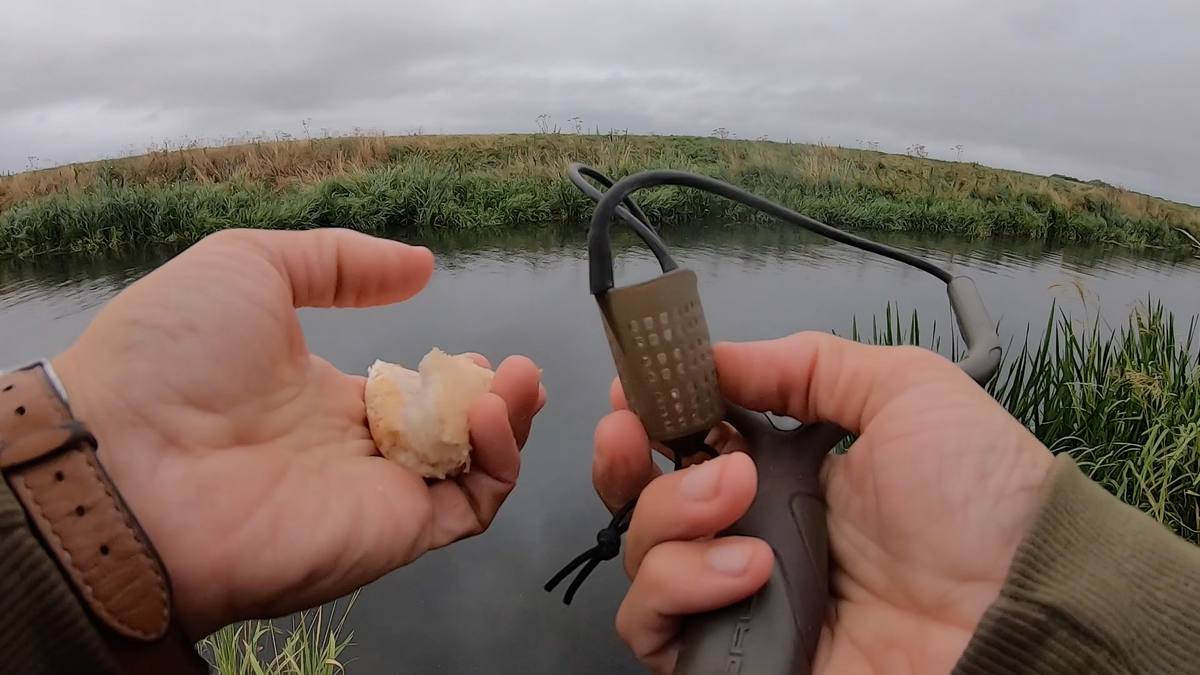
Feeding chunks of bread regularly to tempt the rudd into feeding
I used a 13ft float rod, but in some swims I could have done with a longer rod as there were loads of reeds in the margin making it a bit tricky.
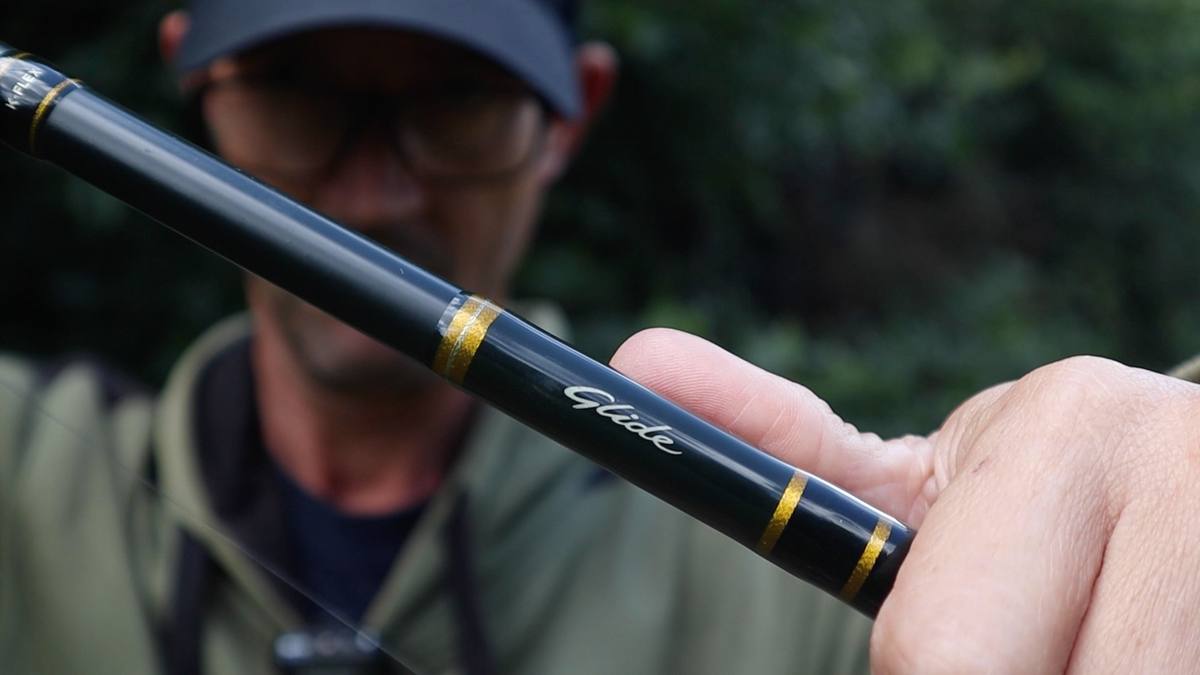
My Korum 13ft Glide Power float rod was perfect for rudd fishing in the Fens
My Korum 13ft Glide Power float rod is nicely balanced with a Korum Infernos 4000 reel, 3lb line and a size 12 hook. You could use a lighter line, but there’s lots of floating weed, so I chose something a bit stronger to make sure I land what I hook. I started off with a size 14 hook, but found I was using larger chunks of bread to avoid the small rudd, so I decided to scale up to a size 12 hook to match the size of the bread I was using.
I used a 4g Preston Precision Pellet Waggler held in position with two float stops. It’s really important to have no weight on the line below the waggler float to allow the bread to float or sink very slowly, tempting the rudd into taking the bait.
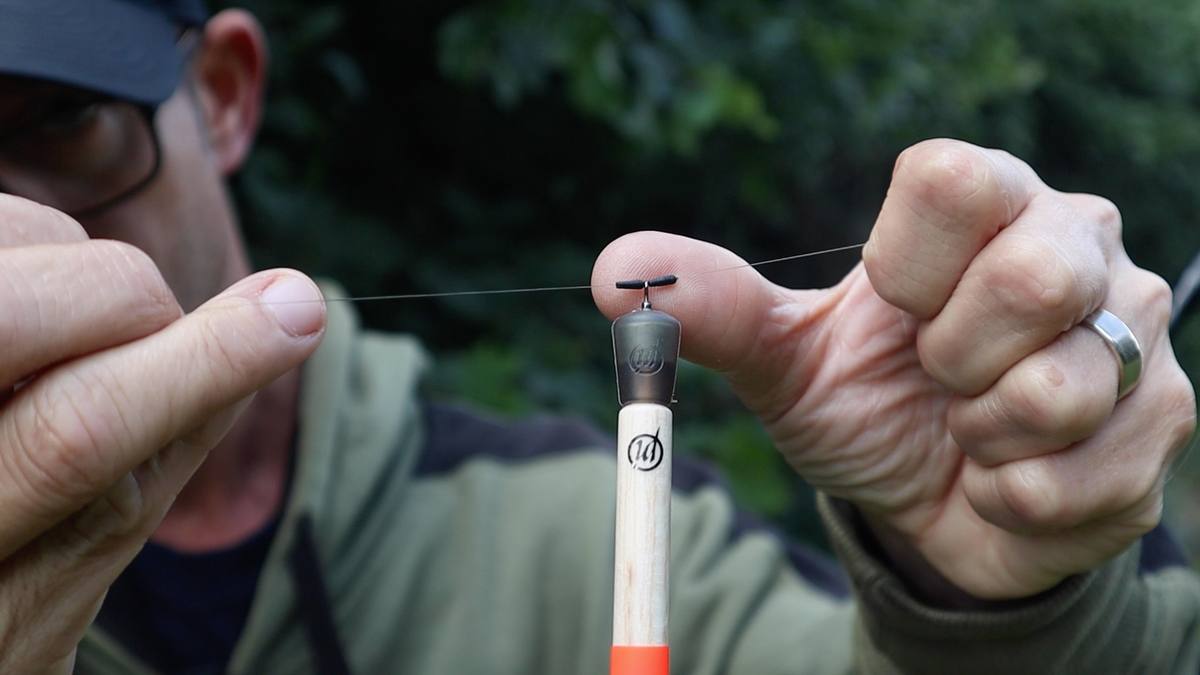
My Pellet Waggler is held in place by two float stops
I found the float was sitting a bit too low in the water and it was difficult to see the tip of the float. Fortunately, I carry a few of these Pellet Wagglers, so I switched the body from a slightly longer 5g float and attached the 4g weight. This ensured the float sat higher in the water, with more of the tip showing and it was easier for me to see the bites.
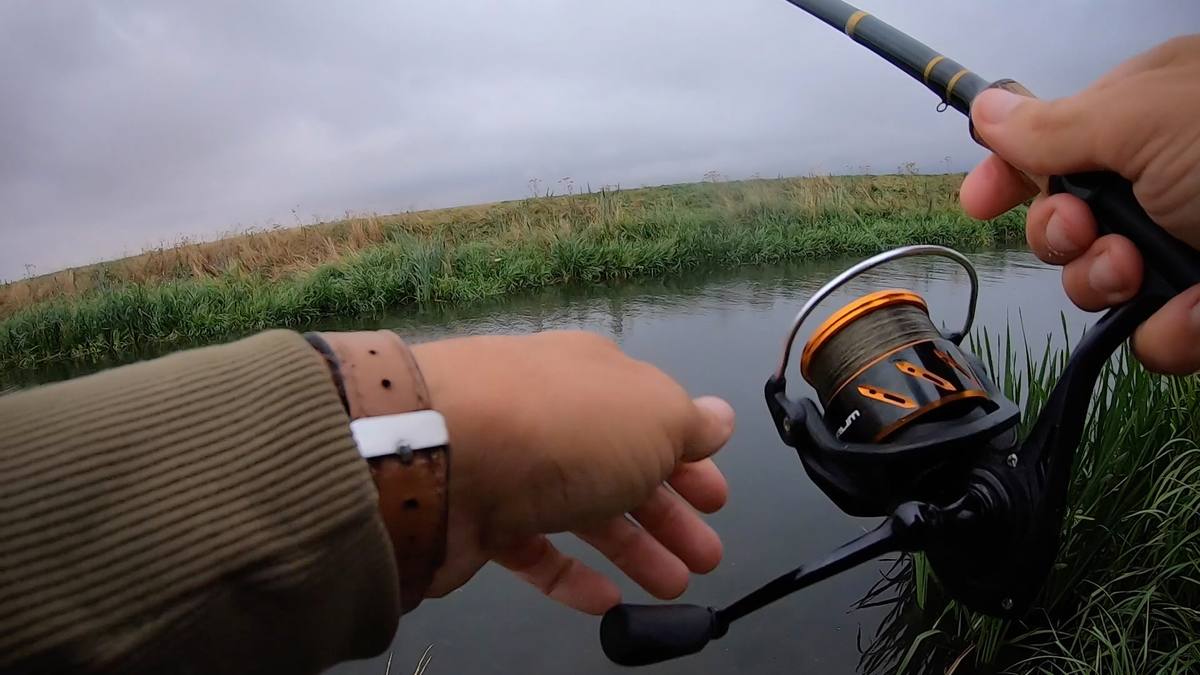
Another rudd is almost ready for the net
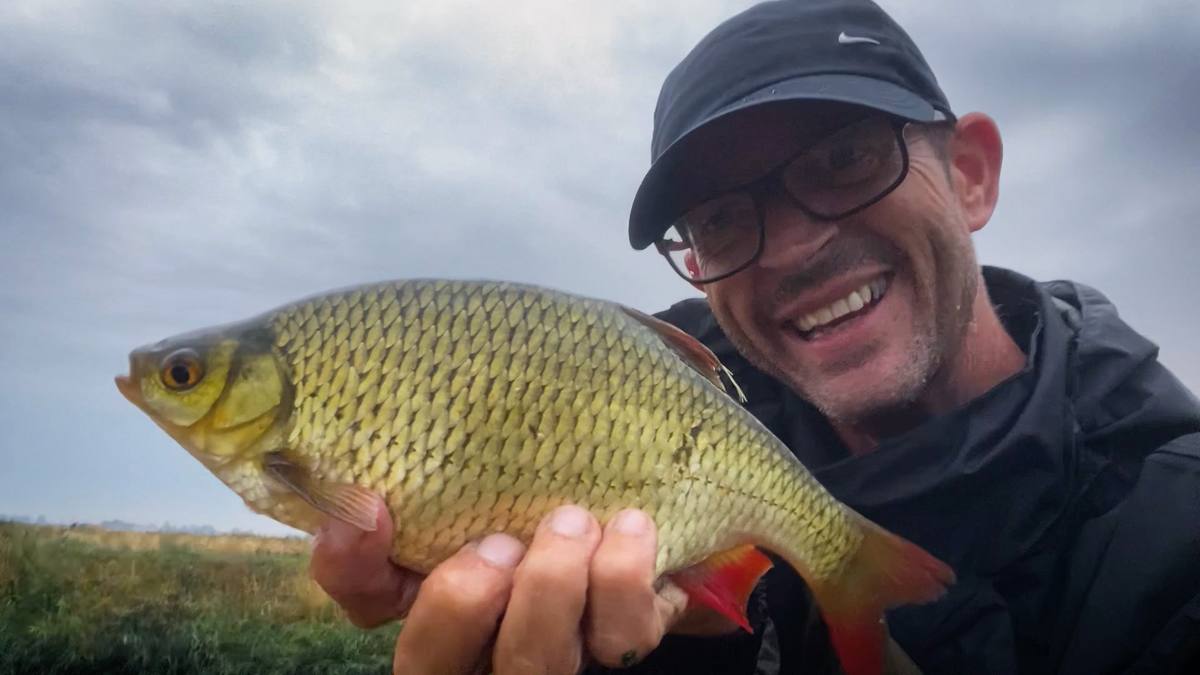
A wild rudd from the Fens on floating bread flake
Stay mobile and keep searching
There are huge numbers of rudd in the Fens – the challenge is to target and catch the big ones. I covered a lot of ground, constantly feeding chunks of bread and looking out for the bigger fish.
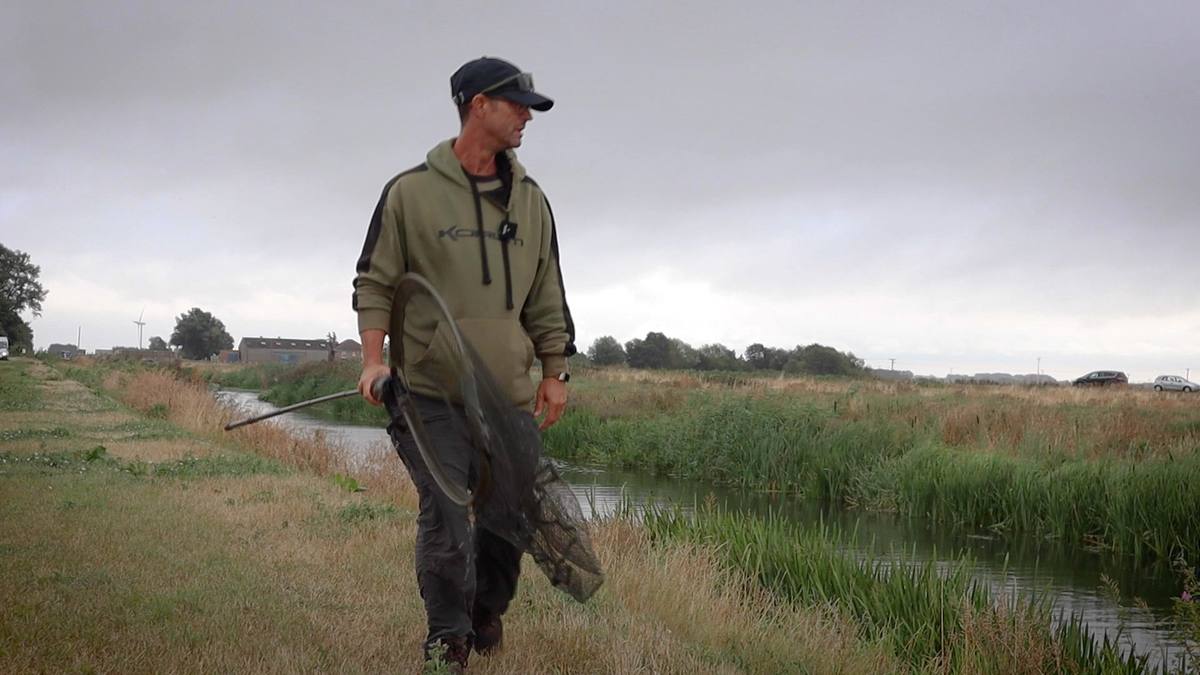
Stay mobile, travel light and keep an eye out for the bigger rudd
It’s important that you’re comfortable while fishing and dress correctly for the conditions. I’ll always wear long, thick trousers when fishing the Fens, even in the summer months, to protect my legs from the bankside vegetation. I’ll also tuck my trousers into long socks for protection from ants. I was badly bitten by red ants and my legs were covered in painful bites. I was absolutely savaged on both my legs, so be warned.
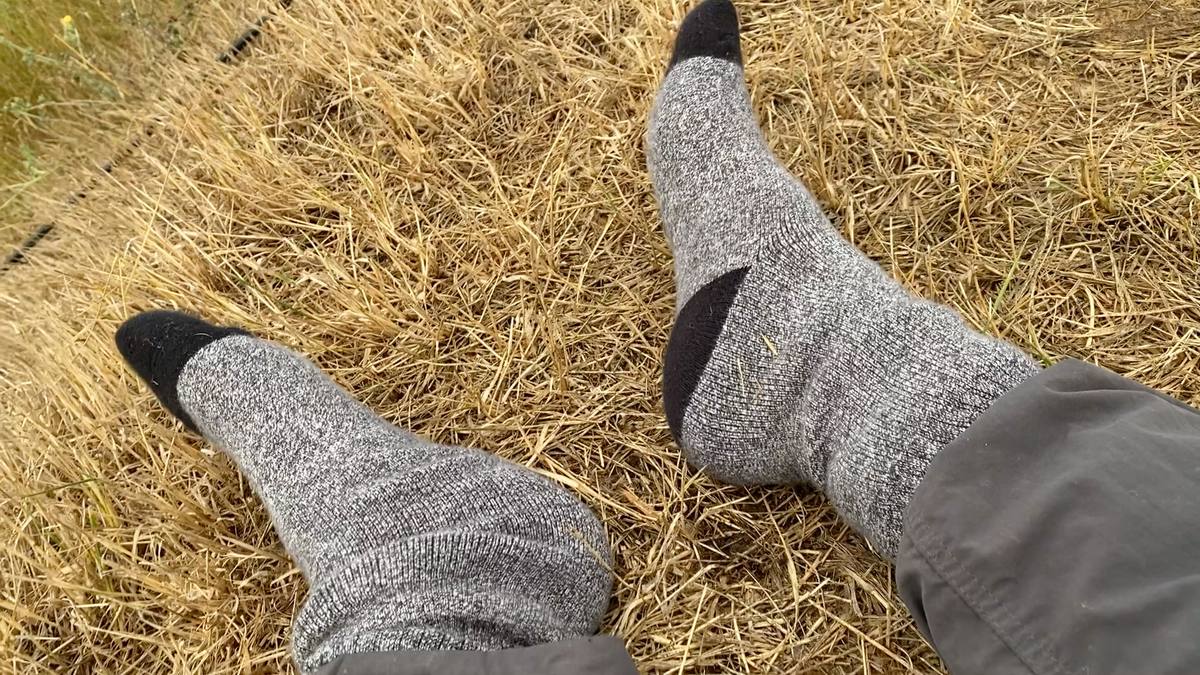
I got badly bitten by red ants on both my legs – not recommended
You’ll be walking long distances along the Fens, so a good pair of walking boots are essential. I also recommend a landing net handle of at least 3m to help you land fish over the numerous reed beds that line the margins.
I found the larger rudd were feeding on the opposite side of the drain, so I kept feeding upstream on the other side. I was letting the gentle flow move the bread towards the fish and cast my hookbait amongst the free offerings.
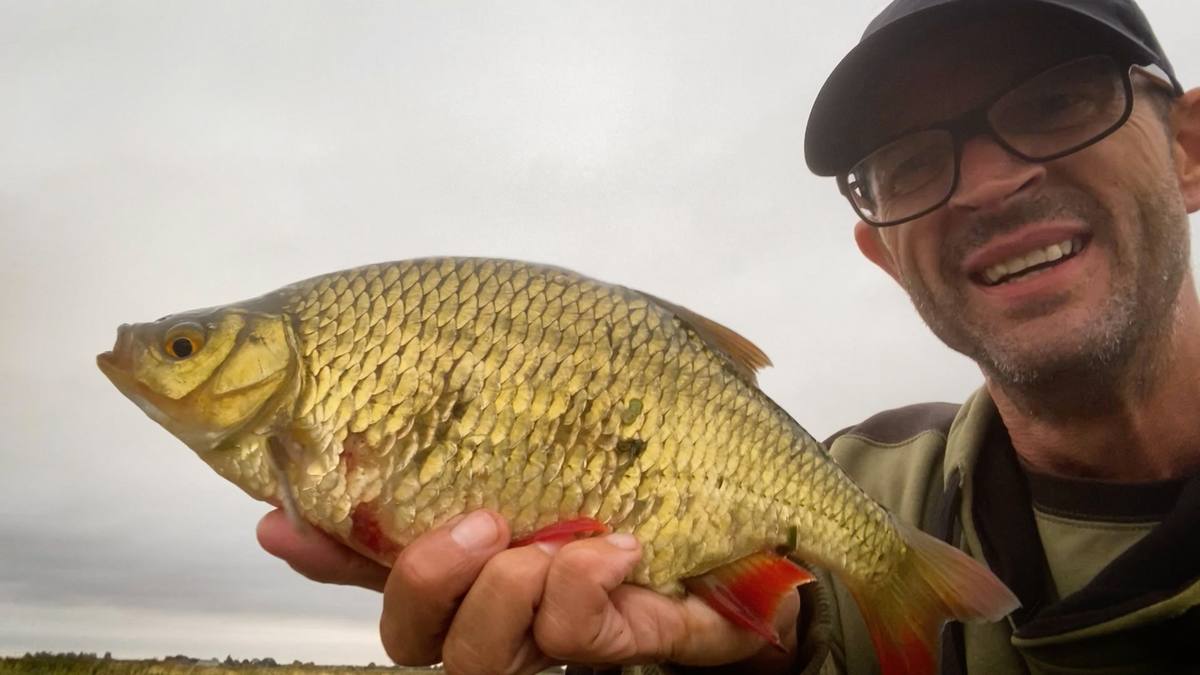
Here’s another bar of Fenland gold
On my last day, I decided to get up extra early to see if I could catch my target 2lb rudd. The weather was not great and the wind had picked up to make my challenge even more difficult. I hooked a half decent fish, but it came off in the reeds, so I kept trying.
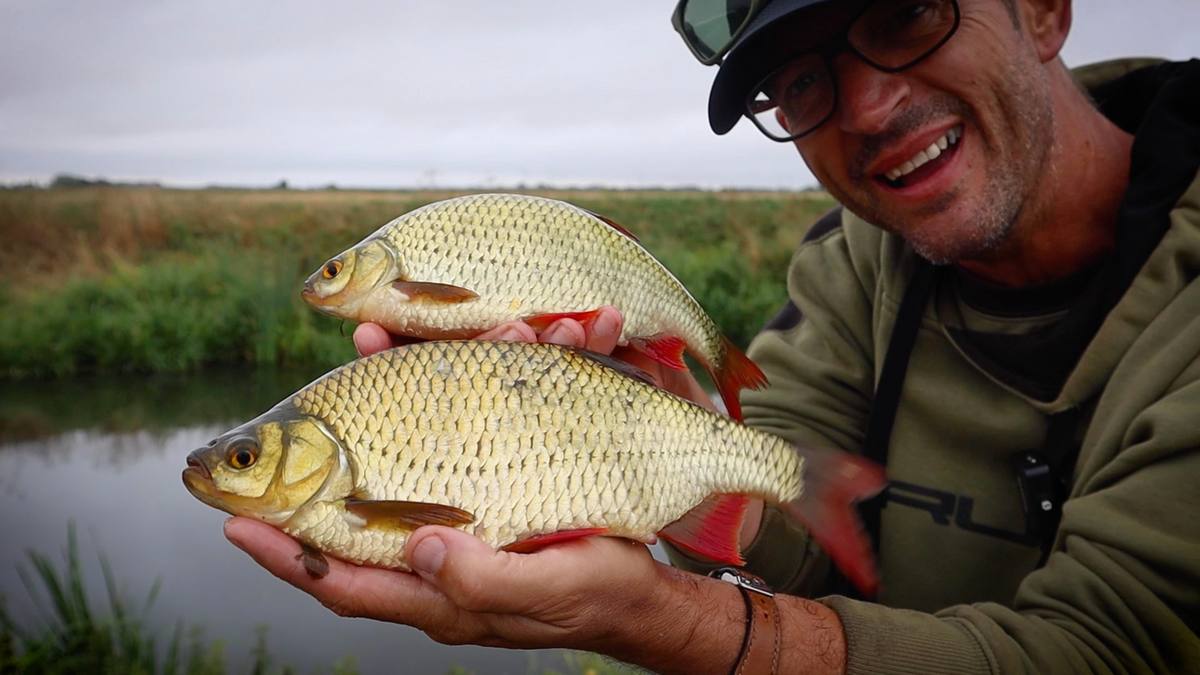
A cracking brace – I love rudd fishing in the Fens
When I returned home from this session, I started prepping for perch, getting the lure rods ready, putting new braid on my reels and making sure I’m ready to go, once the temperatures drop.
My first trip to the Fens was tricky, after such a dramatic change in the weather after a long spell of warm weather, it certainly affected the fishing. I’m disappointed I didn’t catch a 2lb rudd, but I’ll certainly be back for more rudd fishing in the Fens next summer chasing a big un.
I learnt a lot about how to target the bigger fish and hopefully I’ll catch a few when I come back.