Grayling Fishing on the River Frome
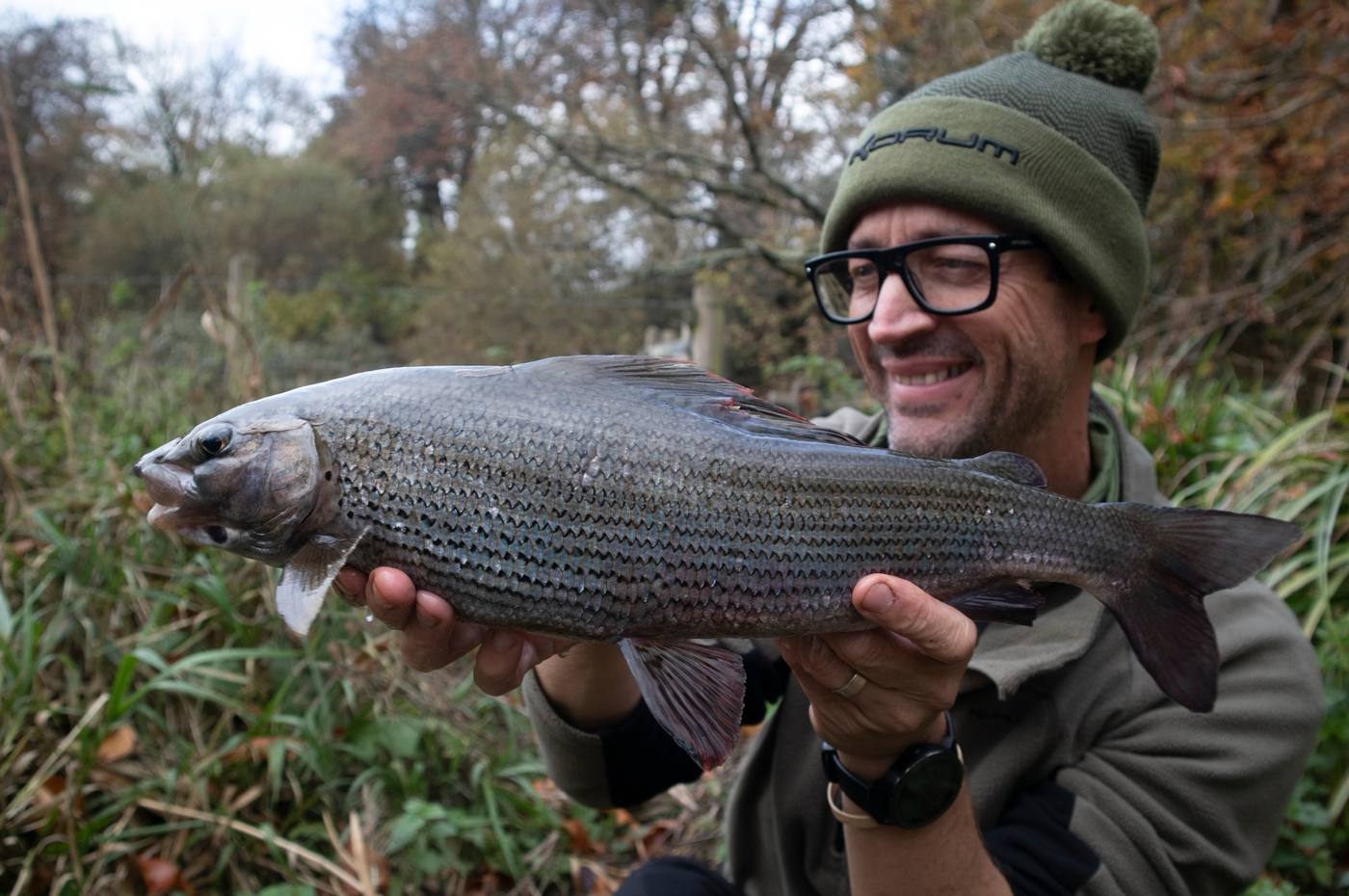
Winter’s chill always sets the stage for the perfect grayling adventure and trotting with maggots is a highly effective method to target these beautiful fish, particularly during the colder months. This article explores the tackle, techniques, and tactics required to enjoy a successful day grayling fishing on the River Frome.
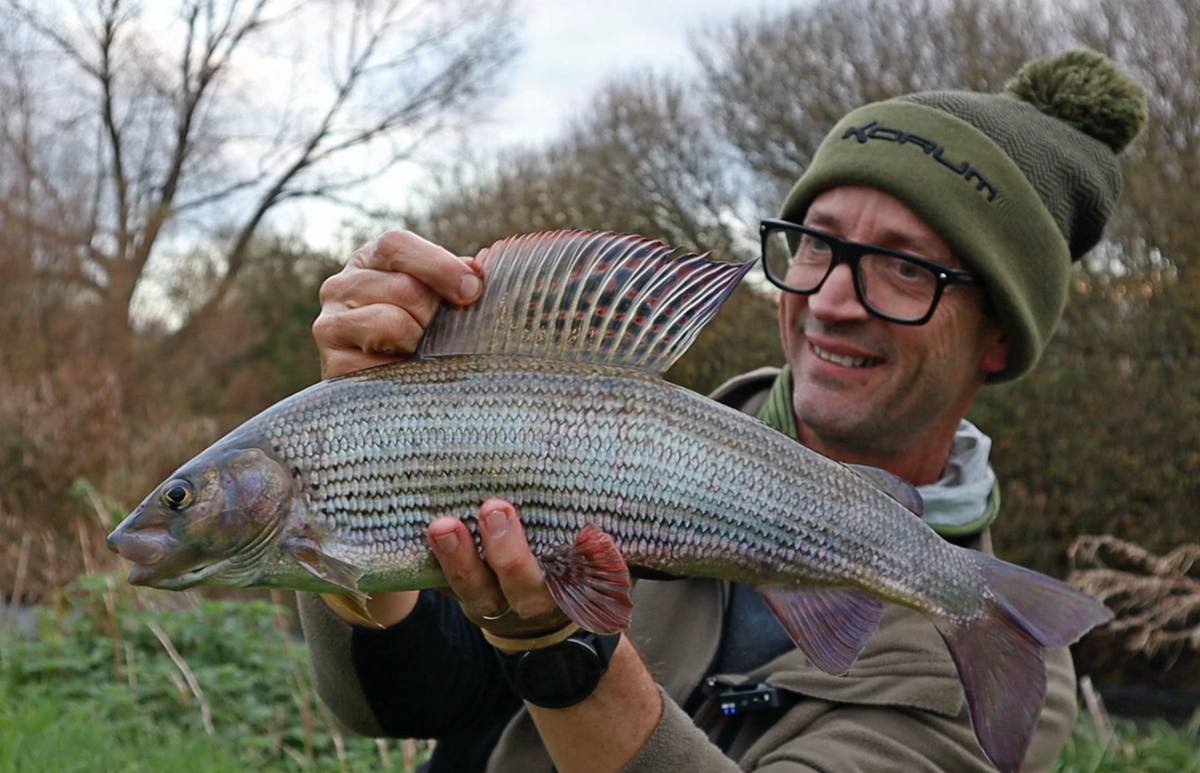
Understanding Grayling and Their Habitat
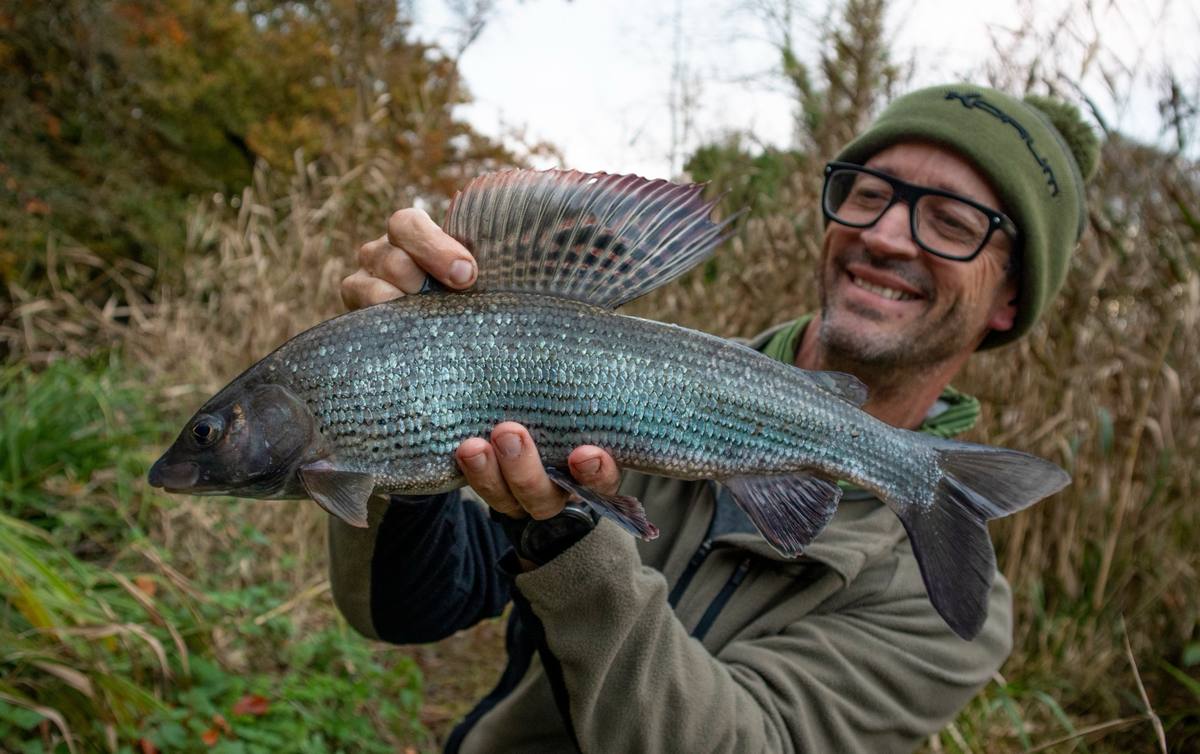
Grayling are hardy fish that thrive in cool, oxygen-rich water. Grayling often shoal together, particularly in the winter, making it possible to catch several fish from one area if conditions are right.
The UK is home to some exceptional rivers for grayling fishing, offering breathtaking scenery and abundant fish. The River Test and River Itchen in Hampshire are renowned for their crystal-clear chalk streams and thriving grayling populations. In Wales, the River Wye boasts prime spots, while Scotland’s River Tweed and its tributaries are famed for both their beauty and grayling stock. Another great location, particularly for large specimens, is the River Frome in Dorset where I have enjoyed some great sport recently.
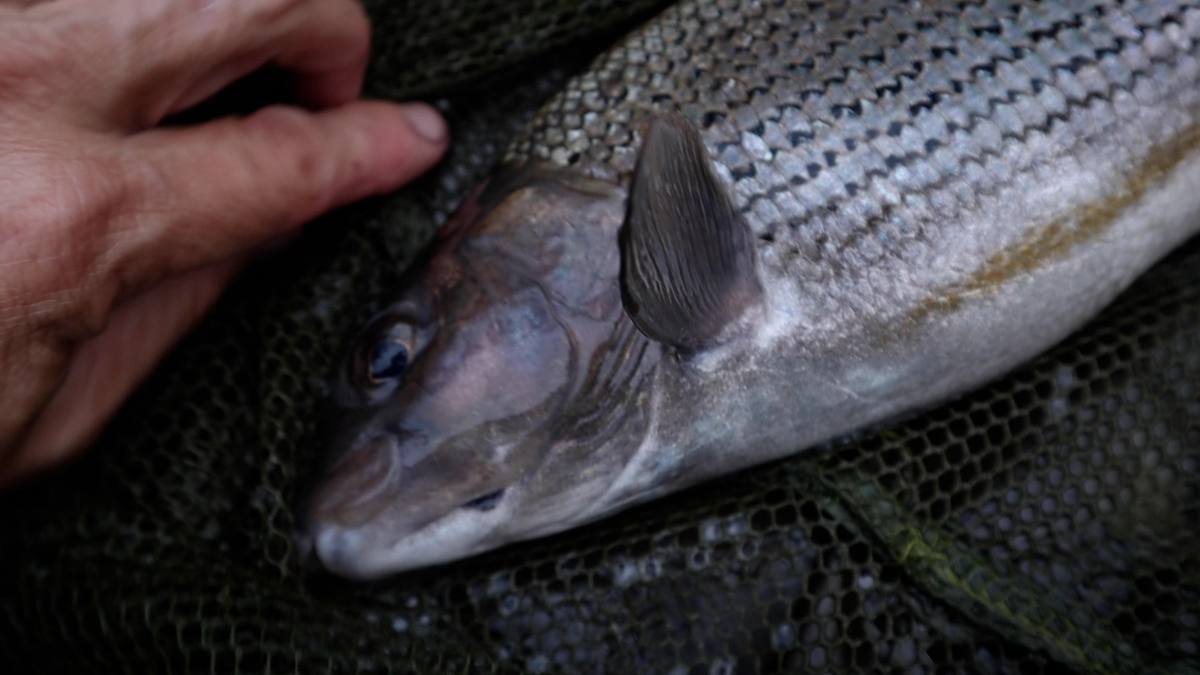
The River Frome’s flow varies along its course, offering a mix of shallow, gravelly stretches and deeper pools. These diverse habitats cater to grayling throughout the year, but in winter, they tend to concentrate in areas where food is carried to them by the current.
Tackle for Trotting
The right tackle is crucial for effective trotting. Here’s a breakdown of what you’ll need:
Rod and Reel
Rod: A 14ft float rod is ideal. The longer length helps control the line and improves float control over the river’s flow. Opt for a rod with a sensitive tip to cushion the fight from grayling, which are known for their delicate mouths.
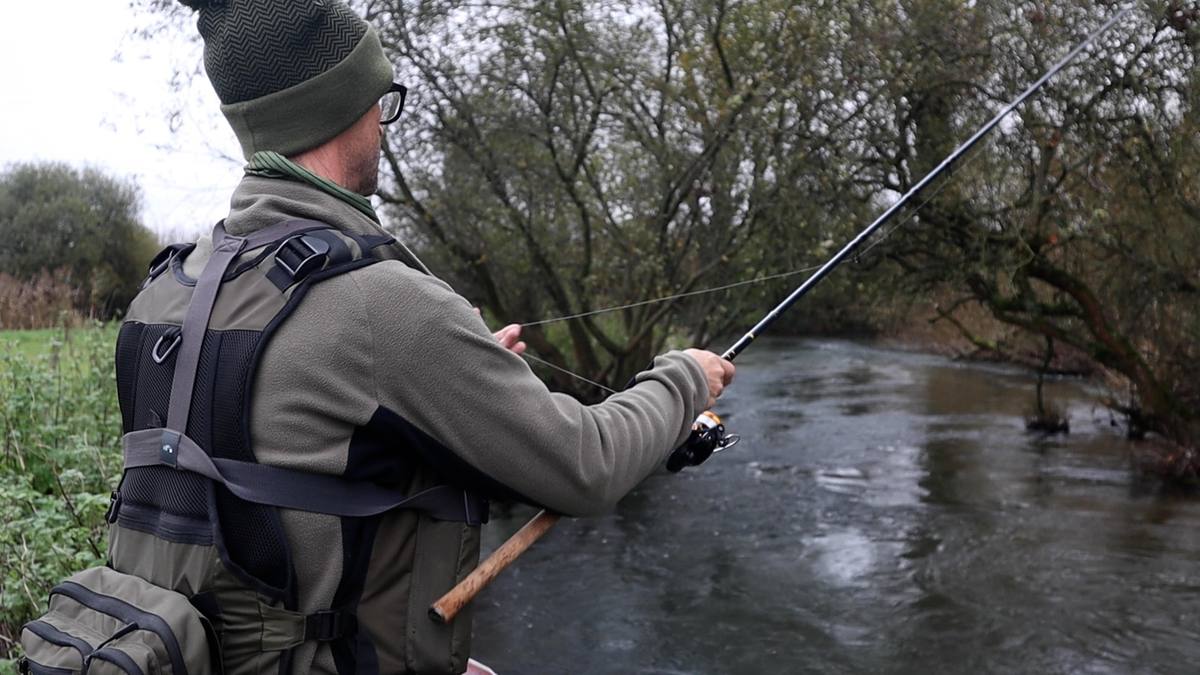
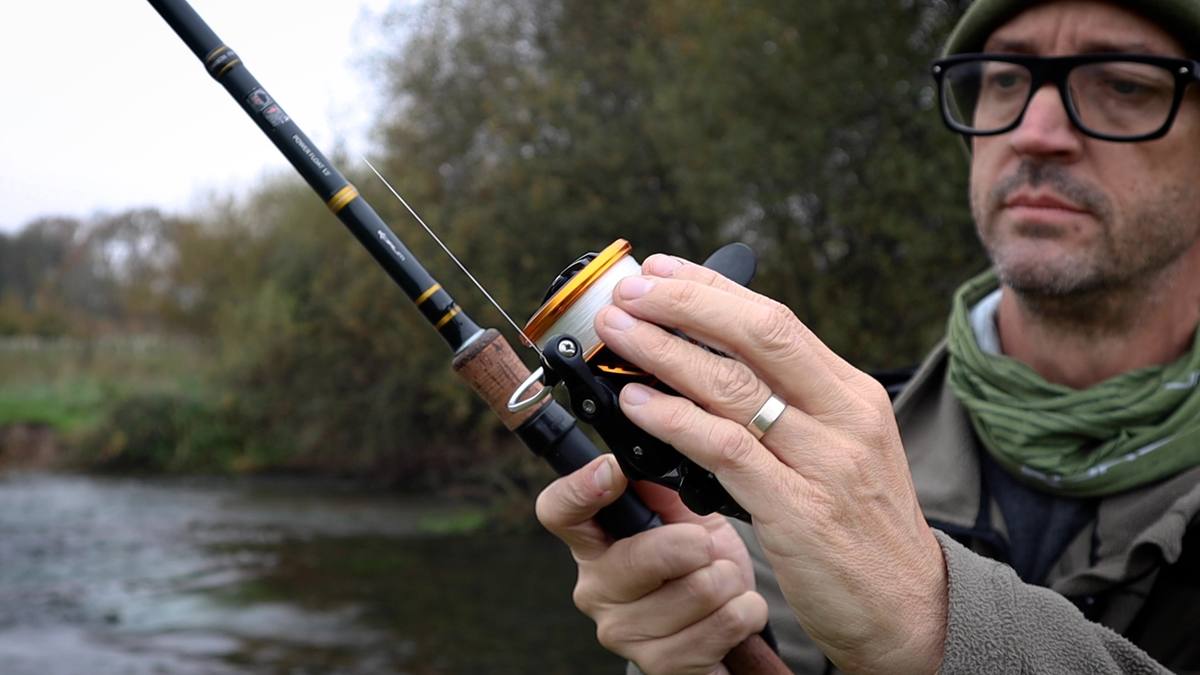
Reel: A centrepin reel is the classic choice for trotting. It allows you to feed the line smoothly and feel connected to the float. Alternatively, a fixed spool reel can be used, particularly for those new to centrepins.
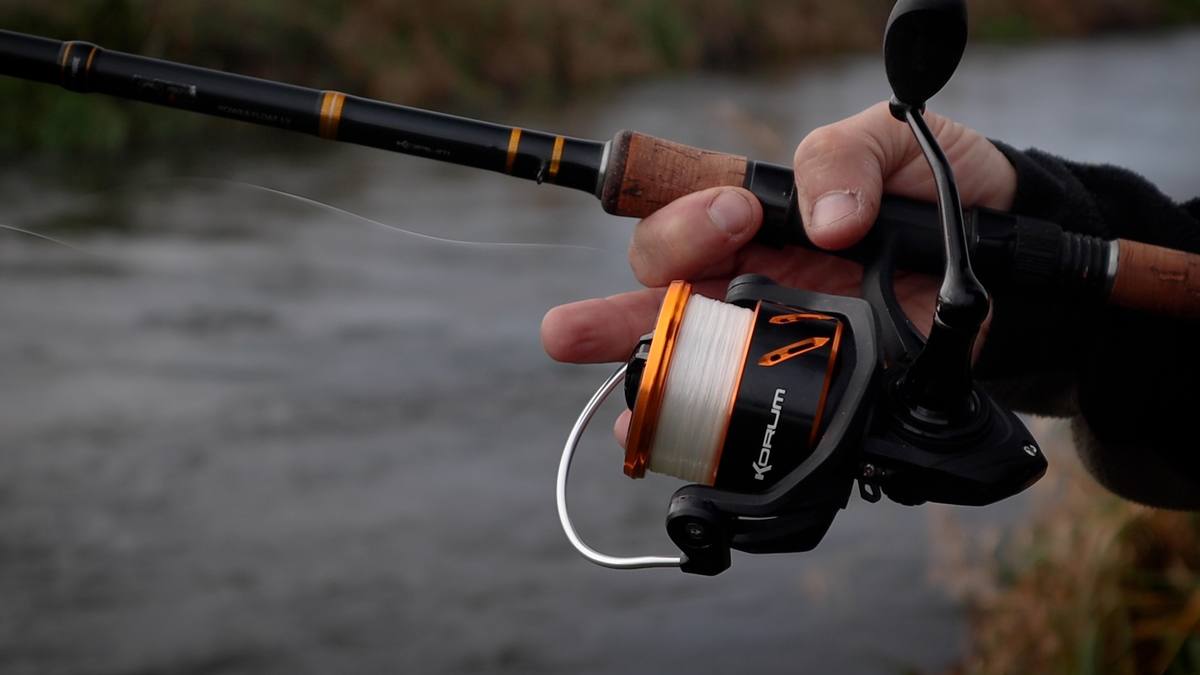
Many anglers feel that you must have a centrepin, however this isn’t true. It’s entirely possible to trot a float on a fixed spool reel. Indeed, on larger rivers some anglers believe that a fixed spool is more versatile and allows you to fish a wider range of swims more effectively.
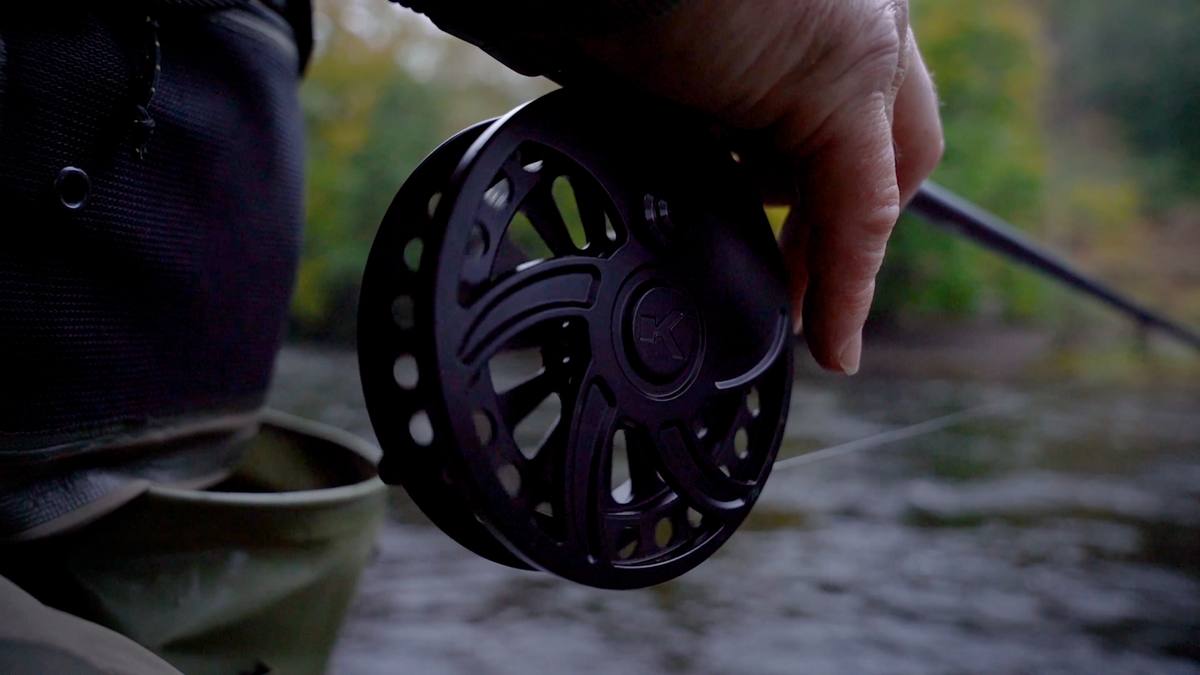
If you do want to try centrepin fishing when a new centrepin for sensible money has been released by Korum – The Glide Stealthmode Centrepin.
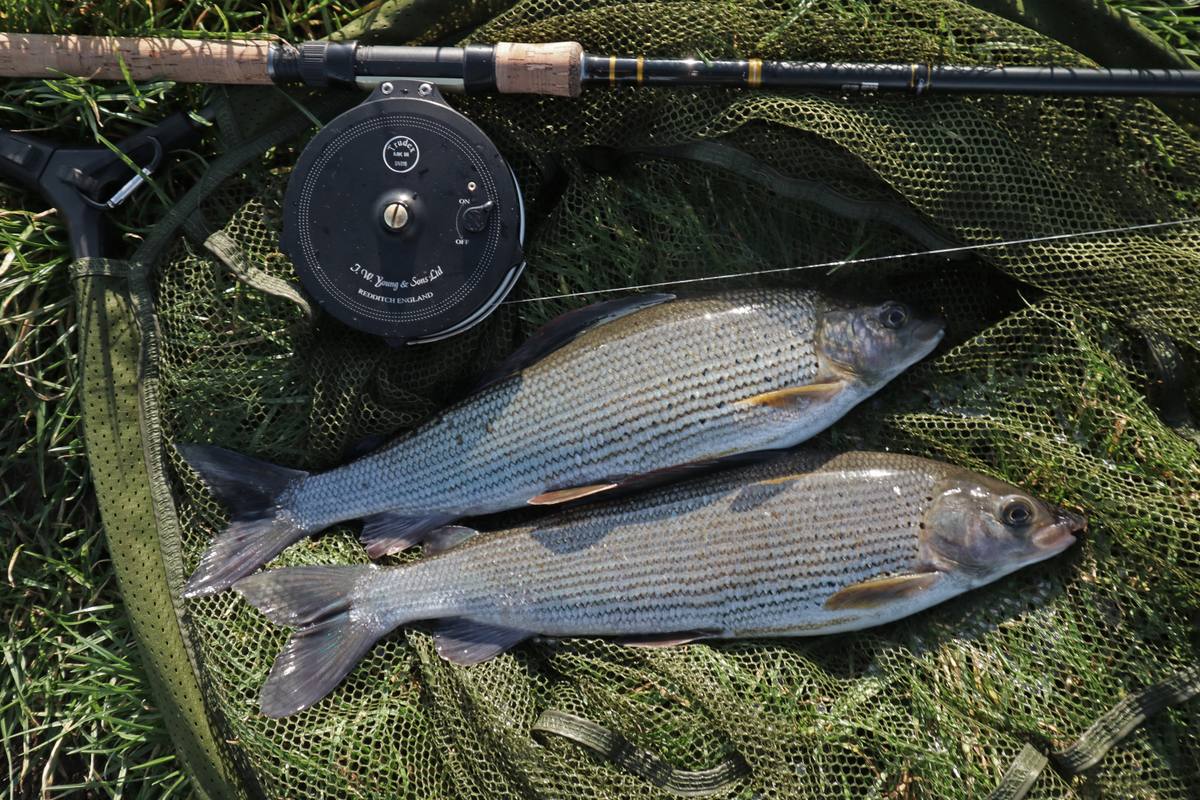
Another option would be the JW Young & Sons centerpins, a name that needs no introduction. Widely regarded by many anglers as the benchmark for centerpin reels in the UK, they offer exceptional performance and craftsmanship. These reels might be worth considering once you’ve fully embraced this style of fishing.
Line
I would recommend a mainline of 4lb breaking strain. Choose a strong, low-diameter line that flows through the eyes of the rod easily and ensure your chosen line floats. It’s important that the line remains on the surface at all times, giving you direct contact between the rod tip and the float.
Floats
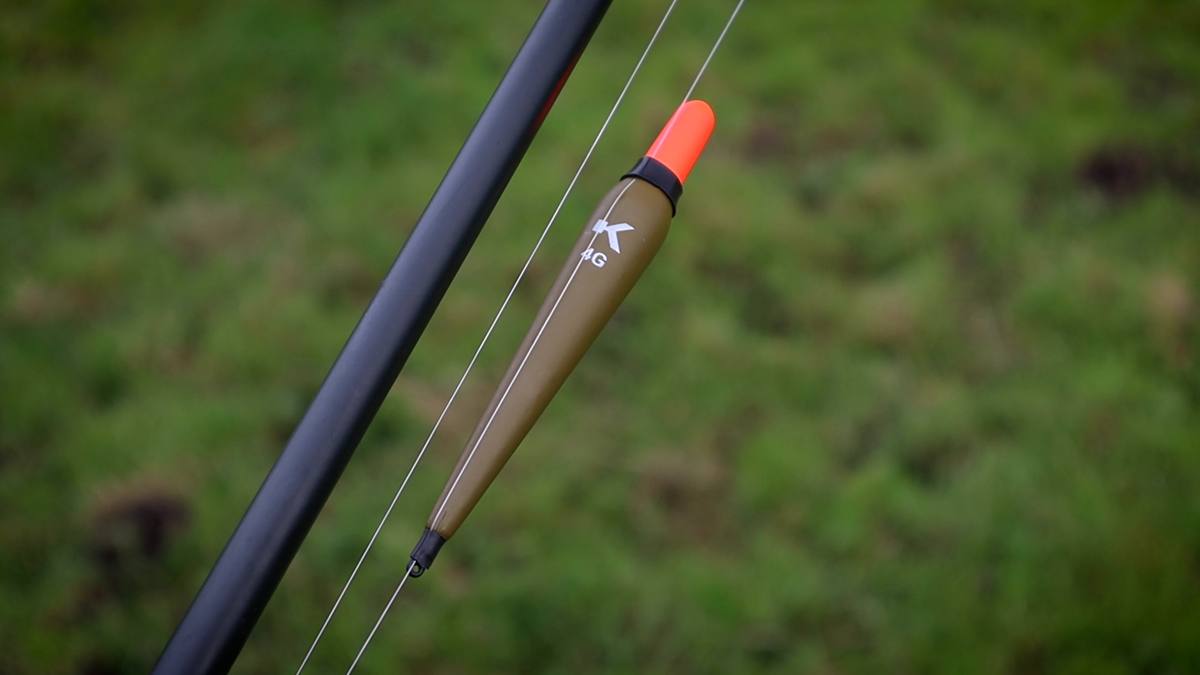
Stick floats or Avon floats are a good choice when it comes to trotting. Stick floats are best suited to steady glides, while Avon floats, with their larger bodies, are better for faster or deeper water. Match the size of the float to the flow, ensuring it remains stable and visible.
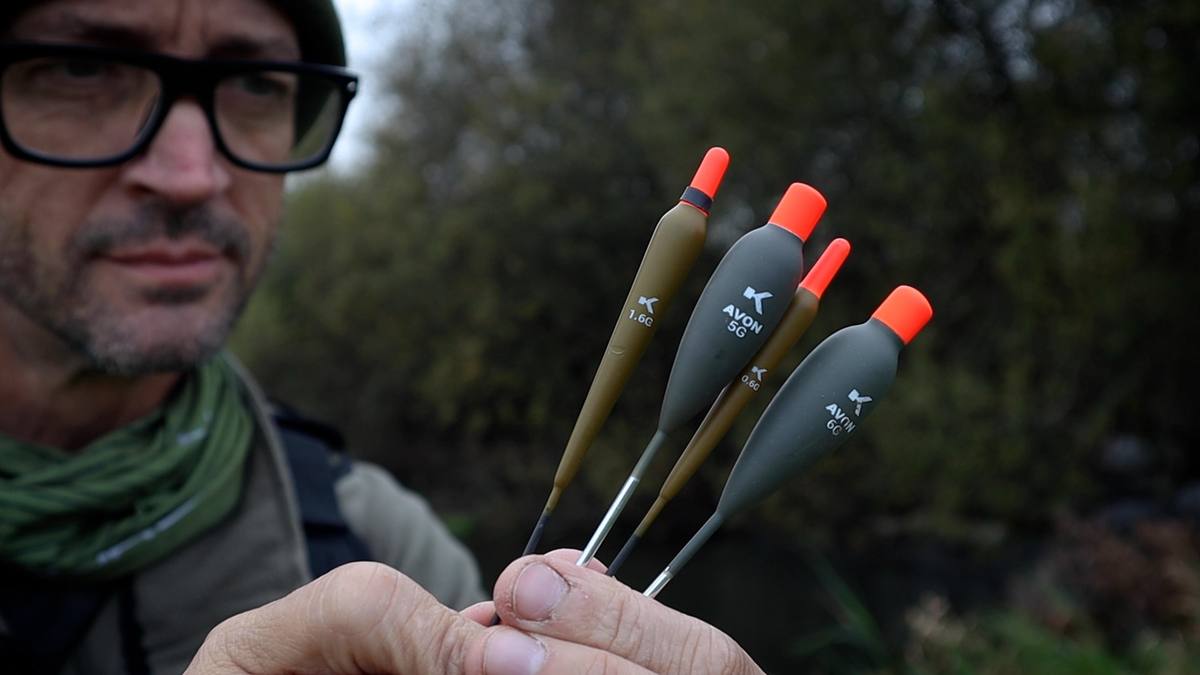
I’ve been using the Korum Missile floats recently. A slightly less traditional style float, but they’ve been the perfect option when fishing fast but shallow runs on the river. Opting for a float without a stem is a good choice in shallow water, as it’s less conspicuous.
Olivettes
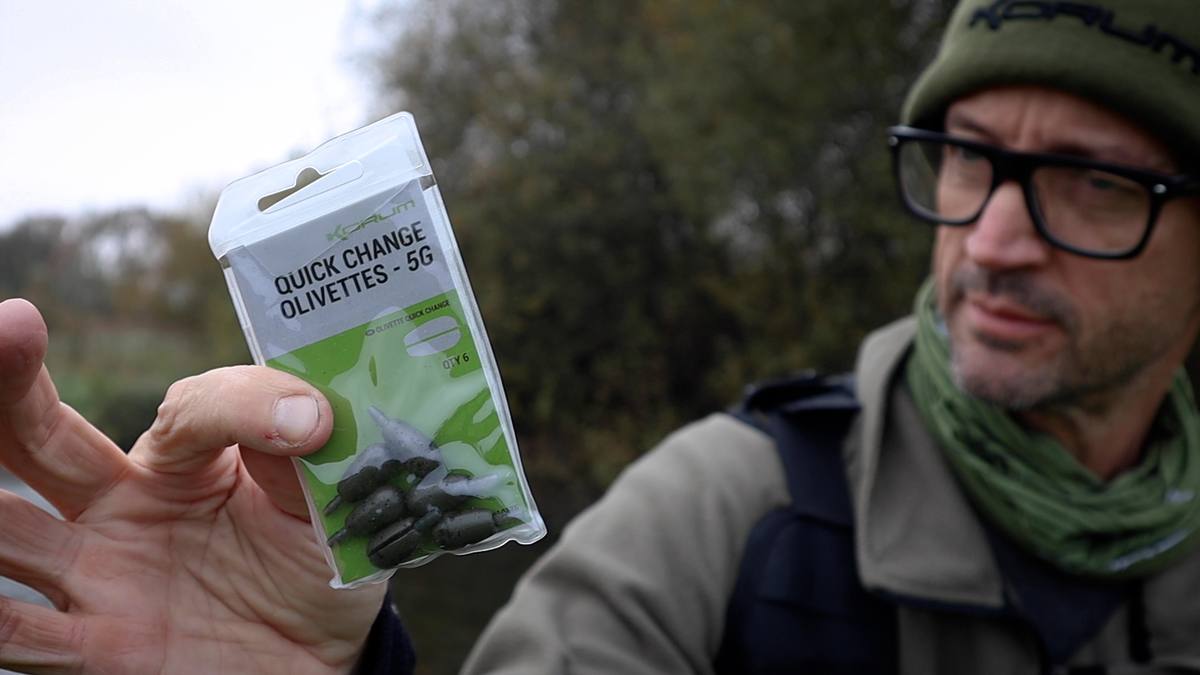
I prefer using an Olivette over a strung-out shotting patterns when trotting with a float for grayling because it provides better control and precision in fast-moving water. The compact weight ensures a more stable presentation, allowing the bait to run deeper and reach the strike zone quickly. This setup minimises tangles and maximizes sensitivity, making it easier to detect subtle bites from grayling.
Using Quick-change olivettes allows me to quickly change the float and the weight as I move around the river. This flexibility allows me to fish effectively in each part of the river regardless of the pace and depth of the water, which can vary quite often as I move around the river.
The Hooklength
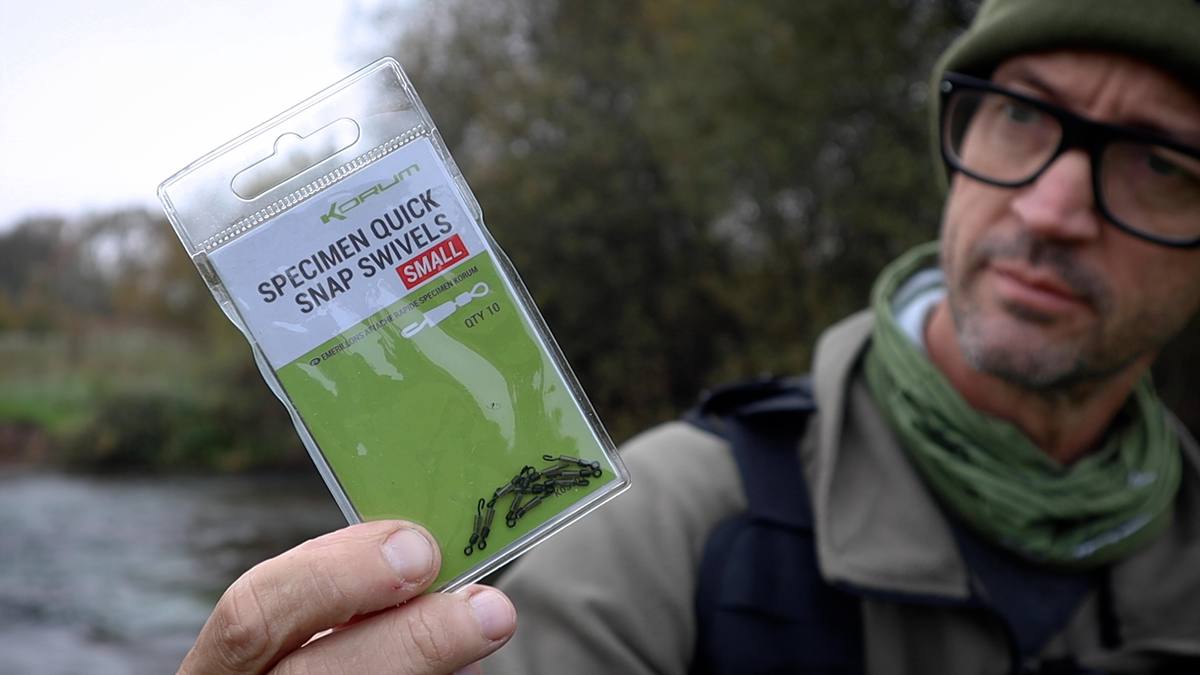
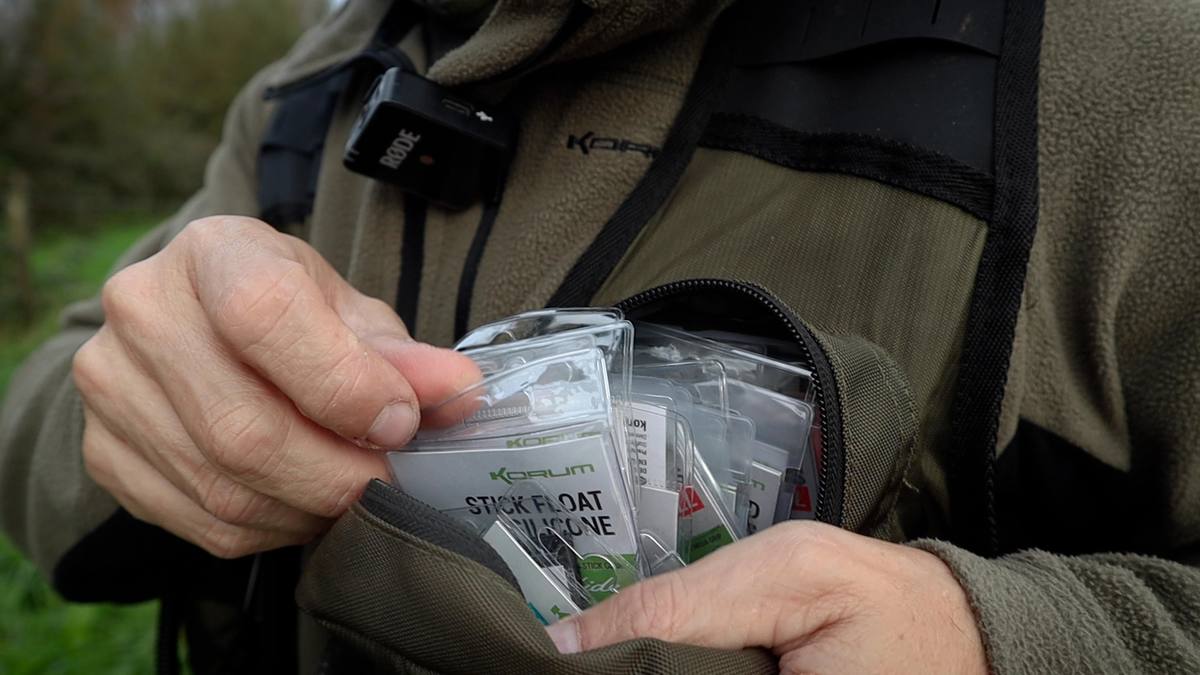
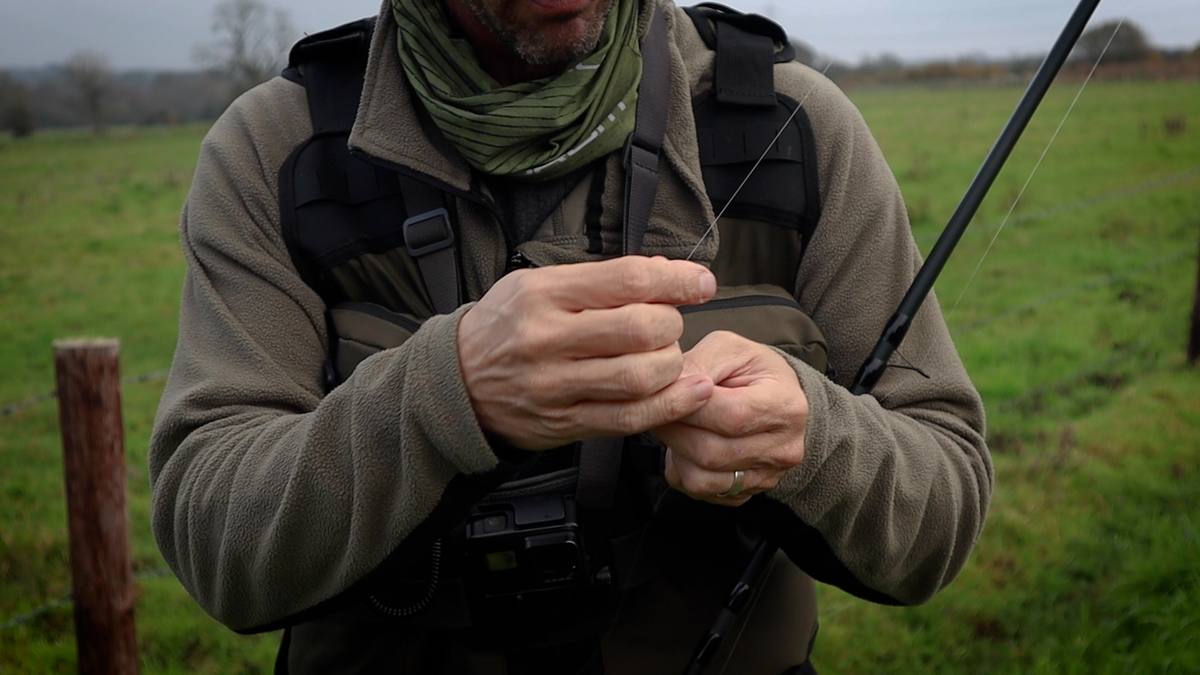
A fine but strong hooklength of 3lb fluorocarbon can be attached to the mainline using a Korum Quick Snap Swivel. The swivel reduces line twist and allows me to switch up the hooklength quickly and easily as needed.
Hooks
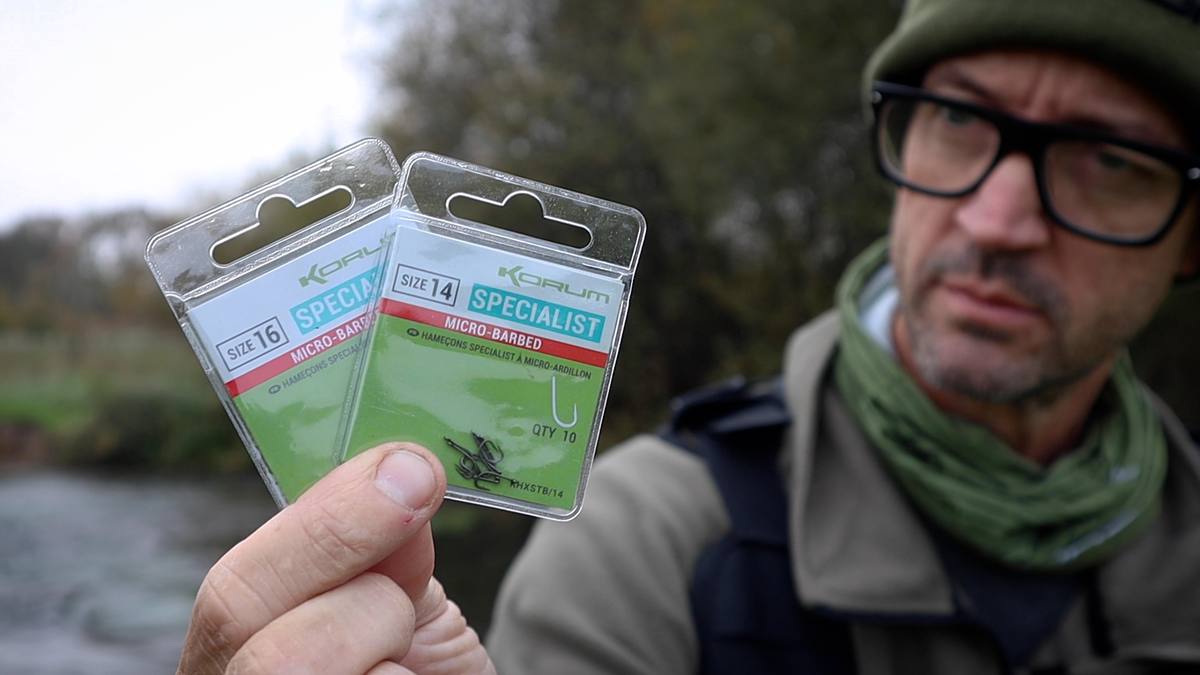
Generally I would recommend fine-wire hooks in sizes 16 or 18, however, in this scenario I’ve stepped up to a heavier wire and a size 14. I’m focused on targeting specimen-sized grayling and am willing to sacrifice the quantity of bites in order to maximize my chances of landing a big fish if I hook one. Grayling have soft mouths, so big grayling in fast water can be a very tense affair!
Bait
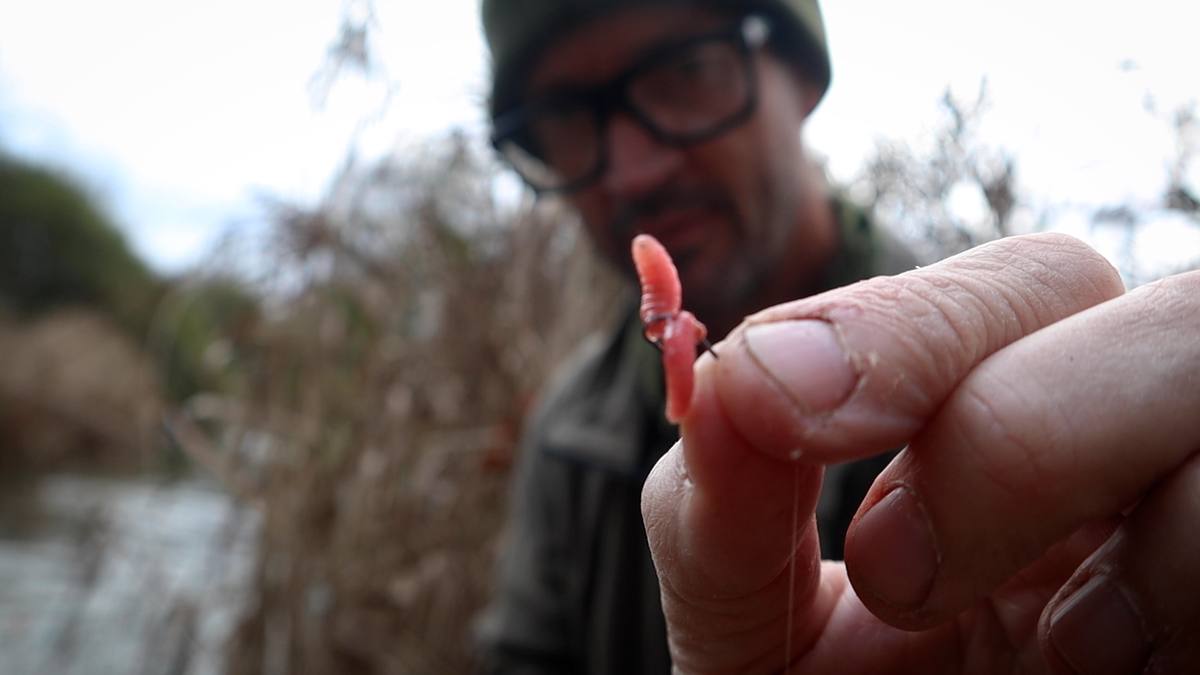
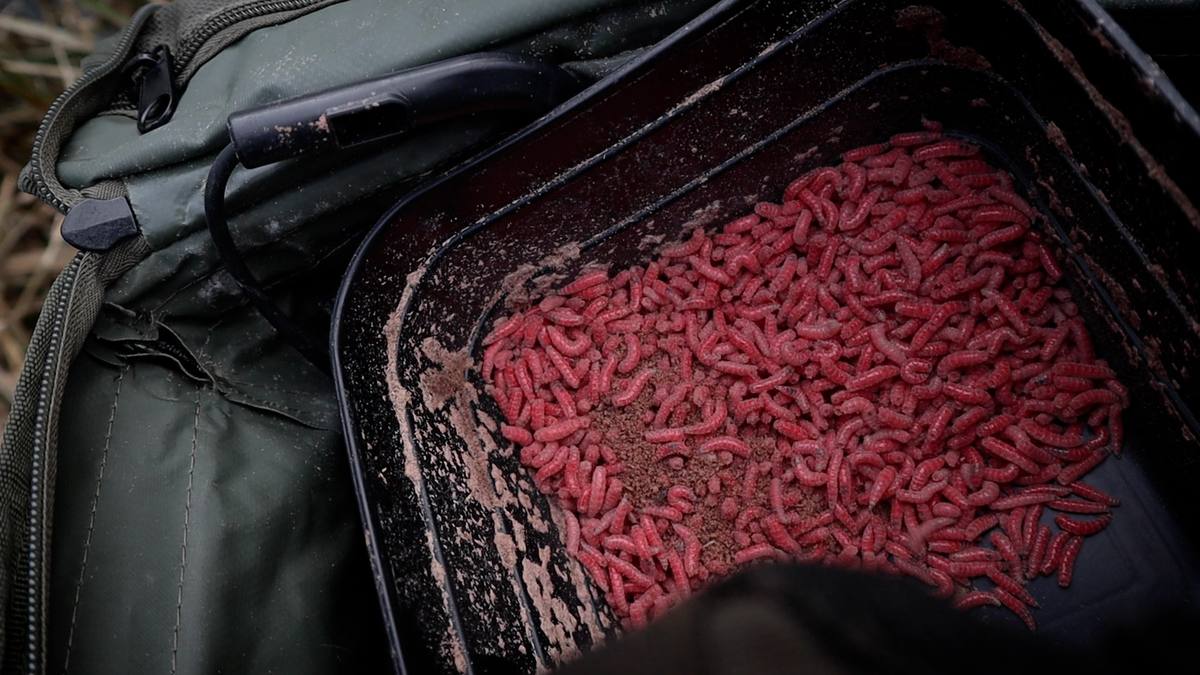
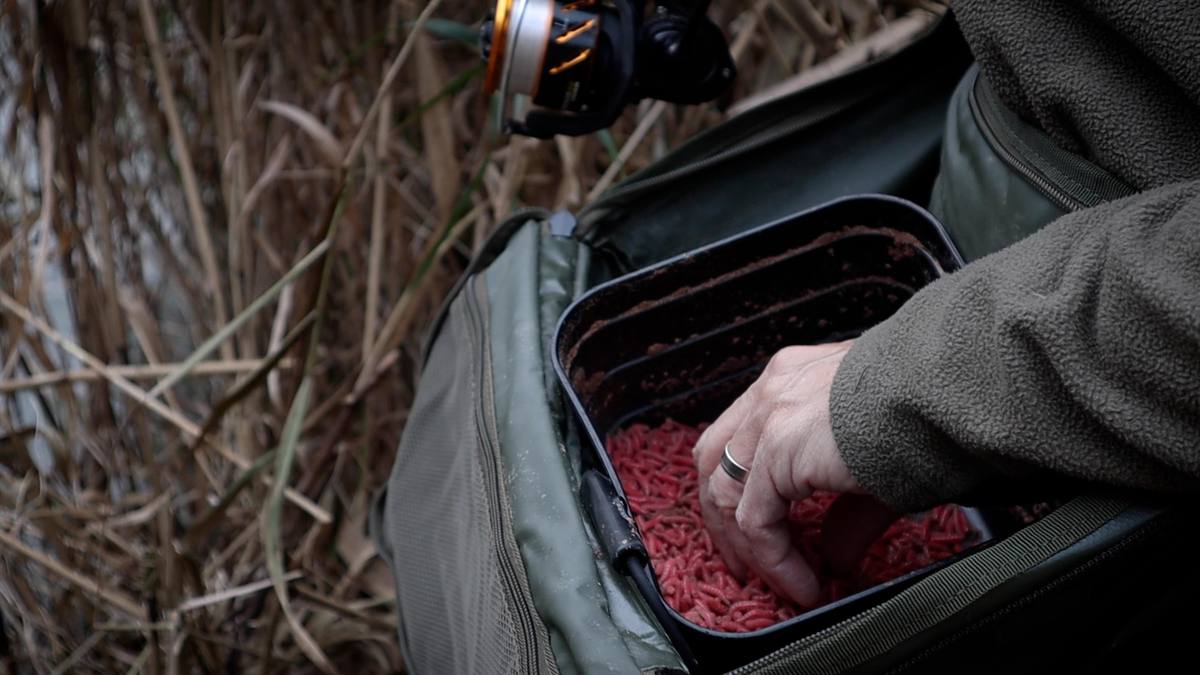
Maggots are the go-to bait for grayling. Red maggots are particularly effective, either singly or double, but using double will help disguise the slightly large hook I’ve opted for. Always carry a good supply, as grayling are voracious feeders.
Get a Pouch
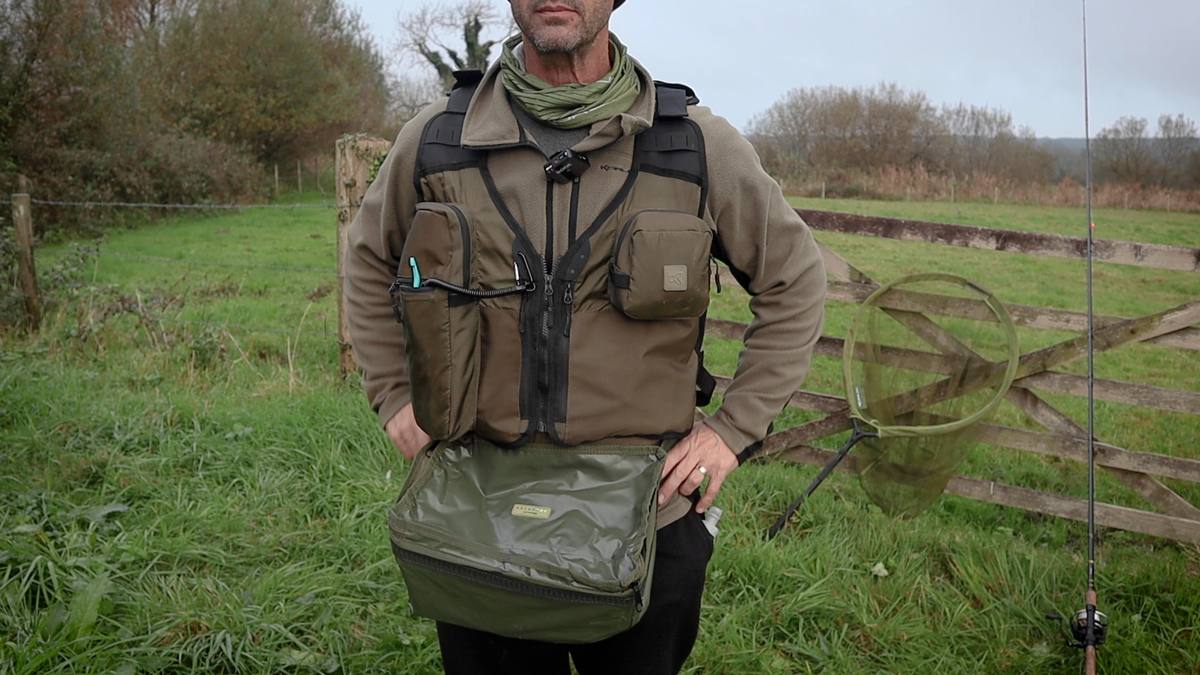
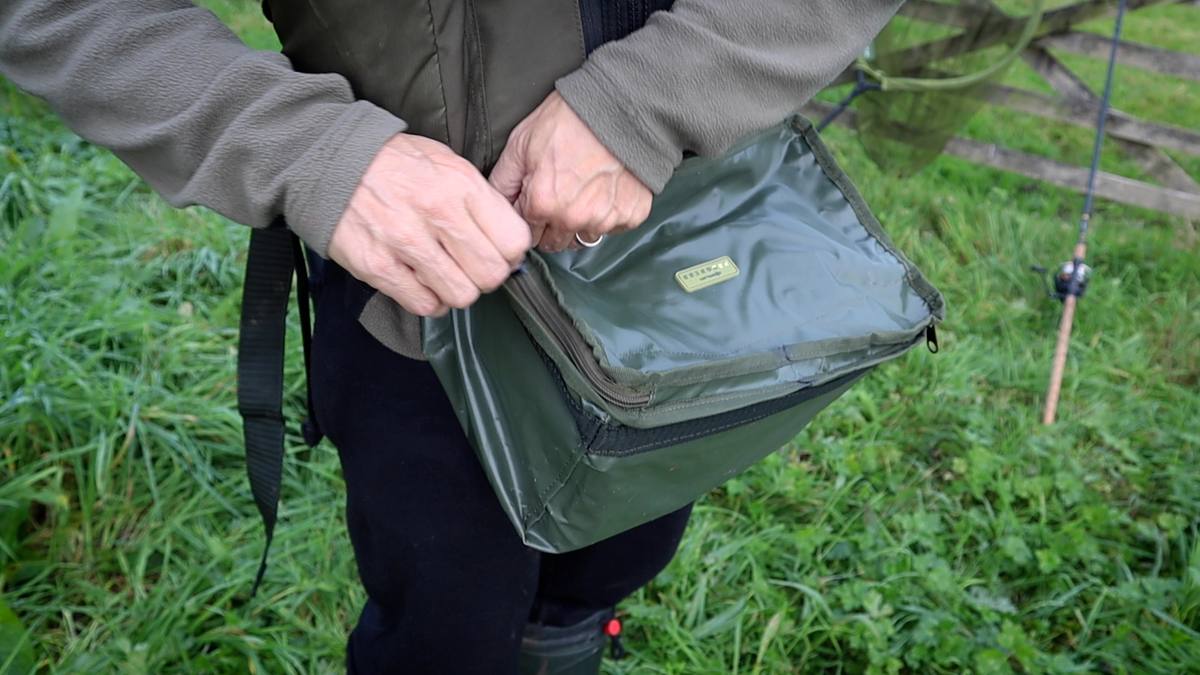
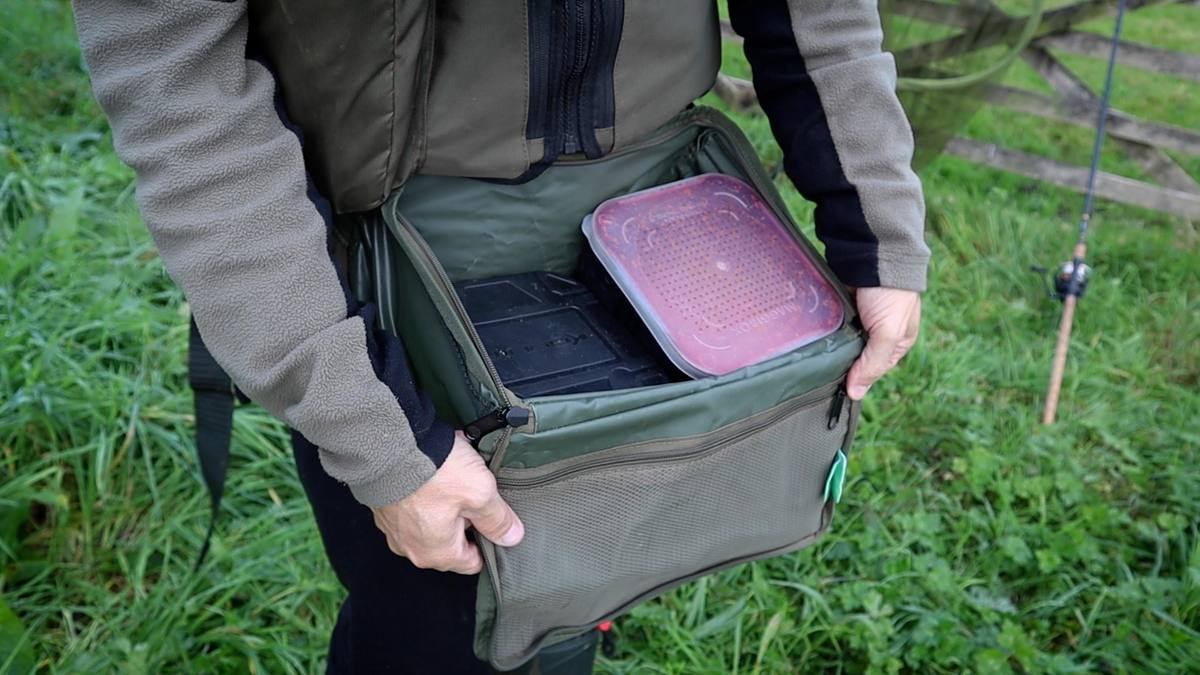
Using a waist pouch, like the Korum Progress HD Bait Pouch, is a game-changer when fishing with maggots. It ensures you have everything you need right at hand, allowing you to focus on the fish rather than rummaging through bags or bending down repeatedly to retrieve bait from a tub. This is especially important when you’re constantly feeding bait to keep fish interested. You can either empty maggots directly into the pouch for quick access or keep them in smaller containers within the pouch to stay organised.
Trotting Techniques for Grayling
Trotting is all about presenting the bait naturally as it drifts downstream with the current. Here’s how to do it effectively:
Choosing a Swim
Look for runs and glides where the flow is moderate to fast. Grayling tend to hold up near the bottom, waiting for food to drift past. Areas with gravel beds and seams of steady current are particularly productive.
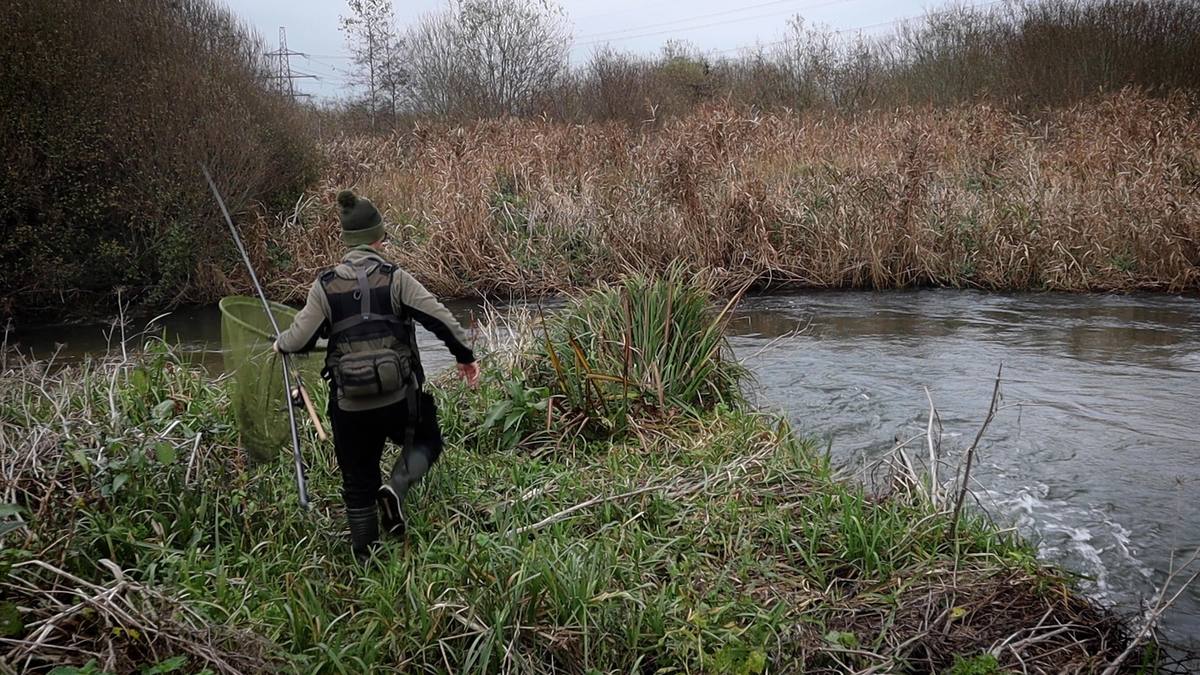
Deeper pools can hold larger grayling, especially in winter, but these often require more patience and finesse. Looking for a ‘crease’ in the river works well, where fast water meets slack water.
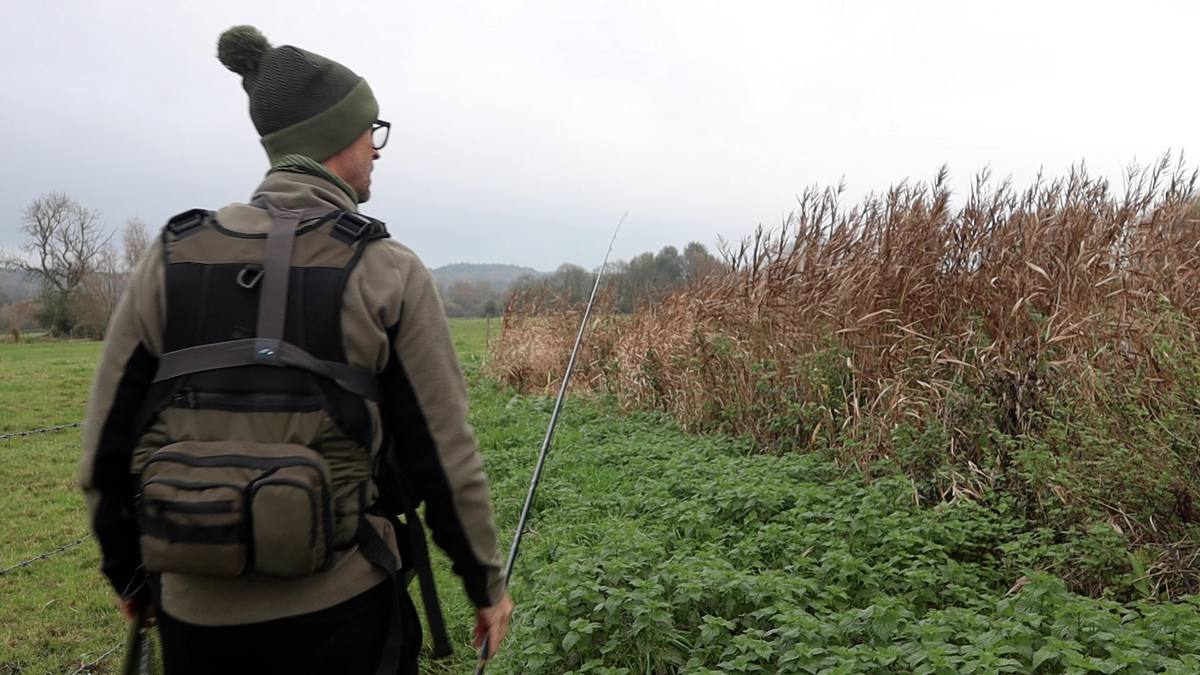
Staying Mobile
Staying mobile when grayling fishing on the River Frome offers significant advantages, especially when targeting this elusive species. Grayling are known to move between different parts of the river depending on factors like water temperature, flow, and food availability.
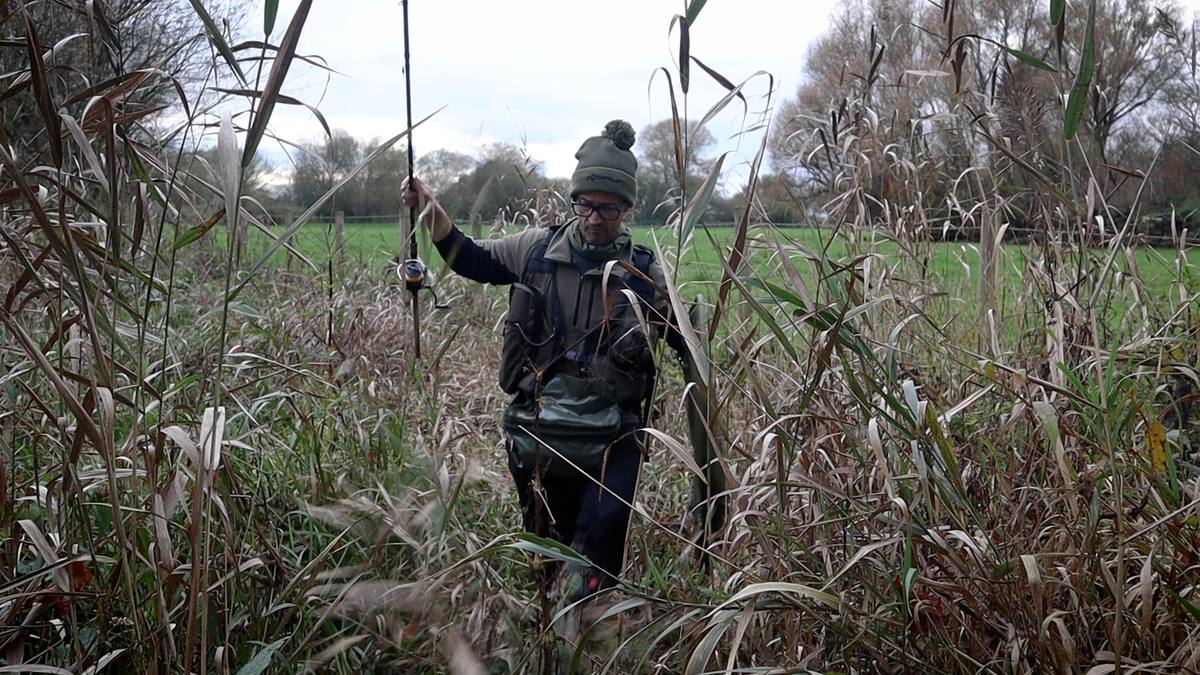
By remaining mobile, you can adapt to these changes, exploring various glides and pools to locate active fish. Mobility also allows you to cover more water, increasing your chances of encountering a prime spot holding larger, specimen-sized grayling.
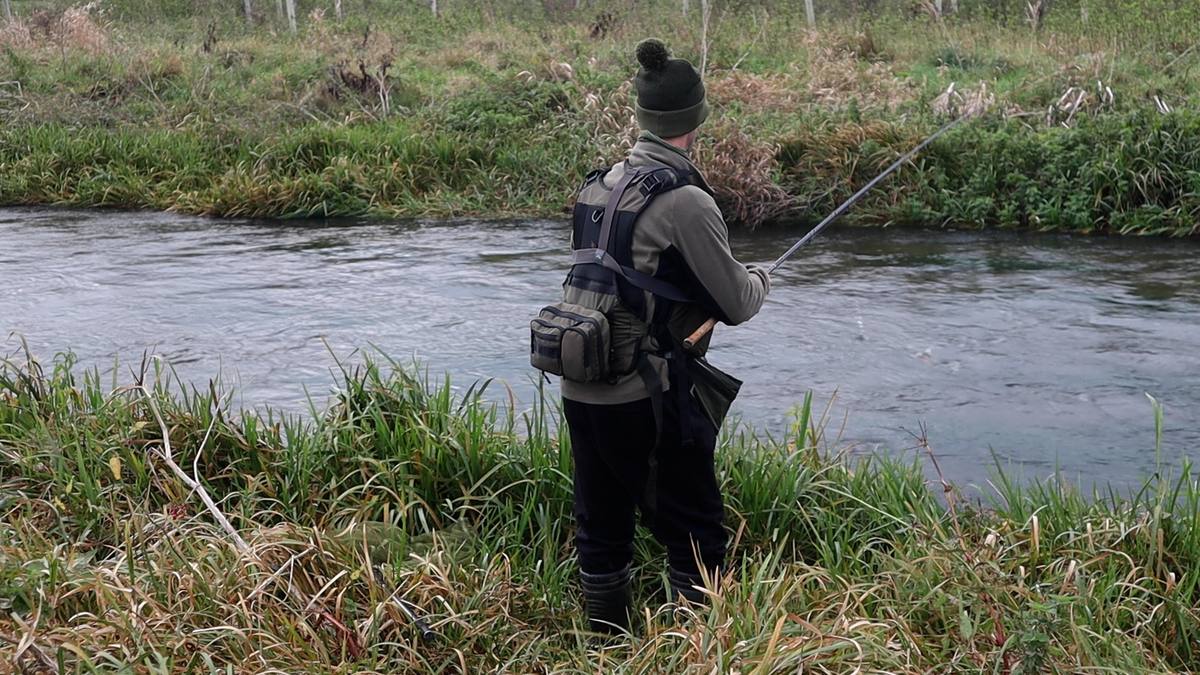
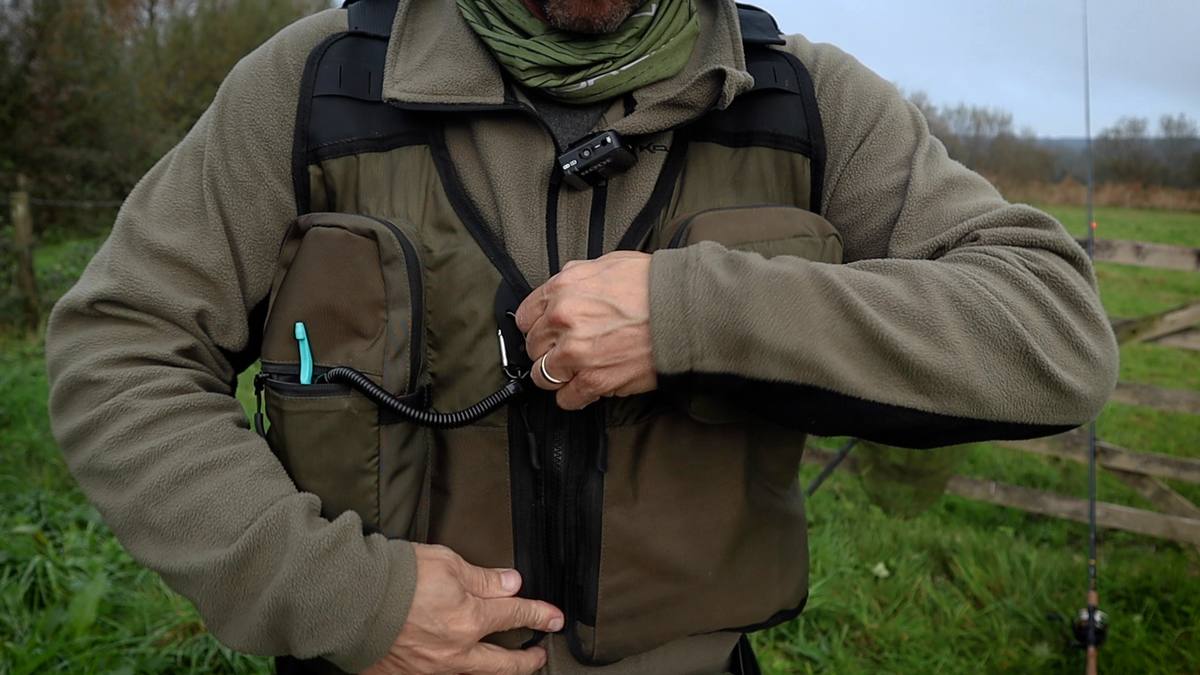
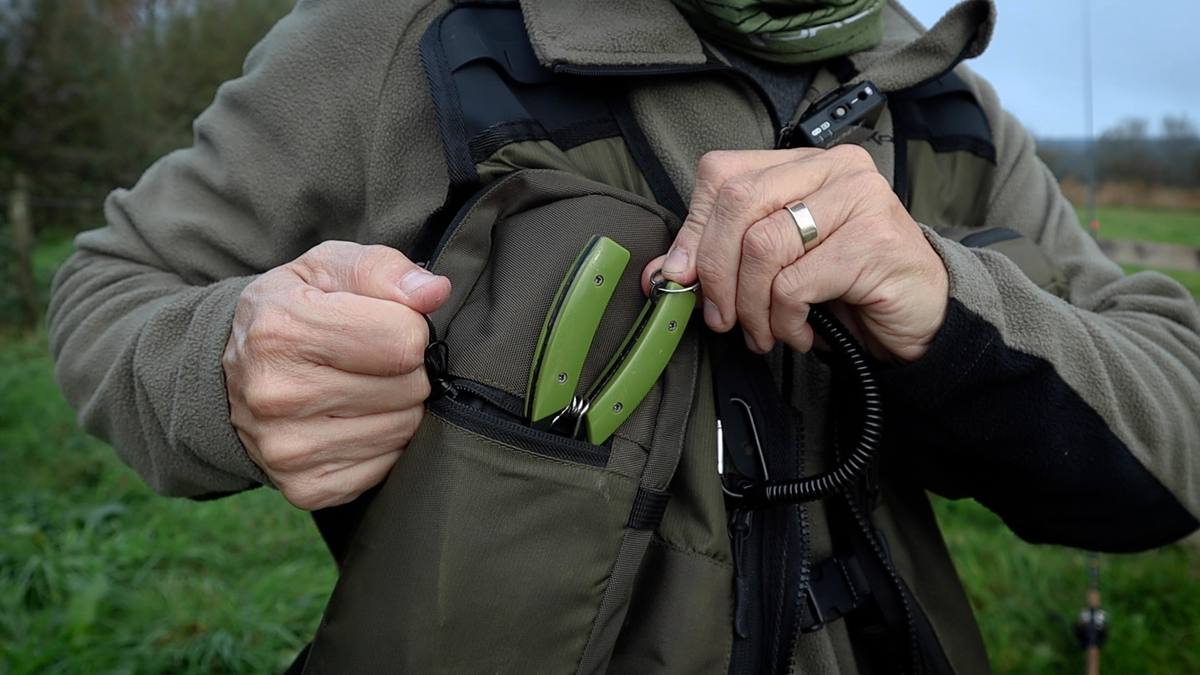
A lightweight, streamlined setup is essential for staying mobile, ensuring you can fish effectively while keeping gear manageable and accessible. Wearing a fishing vest certainly helps in this situation. The vest holds everything that I need including tackle and fish care equipment. Carrying heavy bags full of fishing gear will slow you down and I believe that you will have a much more enjoyable and successful experience with a scaled down approach.
Feeding the Swim
Regular feeding is crucial. Begin by loose feeding small handfuls of maggots to draw grayling into the swim. Once they’re feeding confidently, maintain a steady trickle of bait to keep them interested. If you encounter a part of the river that looks like a particularly good holding spot, then consider spending a little more time in this area, feeding maggots and trying to get something going.
Adjust the frequency of feeding based on the response. Too much bait can overfeed the fish, while too little might lose their interest.
Float Control
Cast upstream or slightly across the current, allowing the float to drift naturally downstream. Keep a tight line to the float to maintain control and strike quickly if a bite occurs.
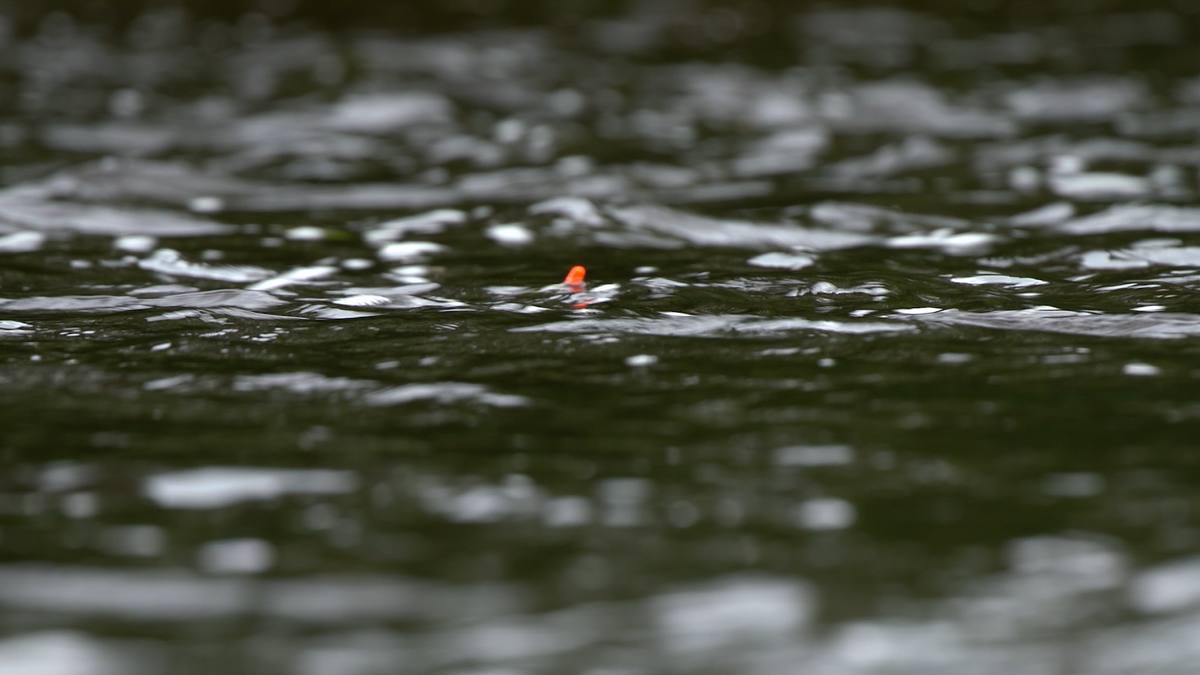
Use the rod to mend the line, preventing drag and ensuring the float travels at the same speed as the current. This natural presentation is key to fooling grayling.
Striking and Playing Fish
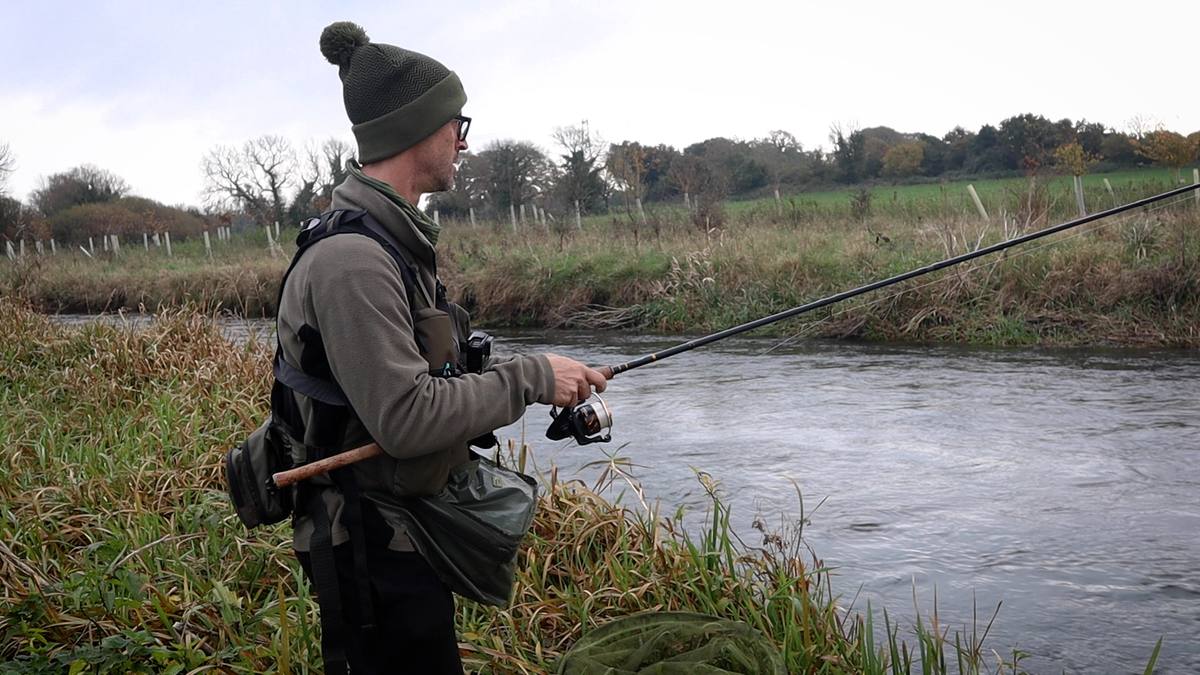
Grayling bites can be subtle, often just a slight dip or pause of the float. Strike promptly but gently to avoid pulling the hook from their soft mouths.
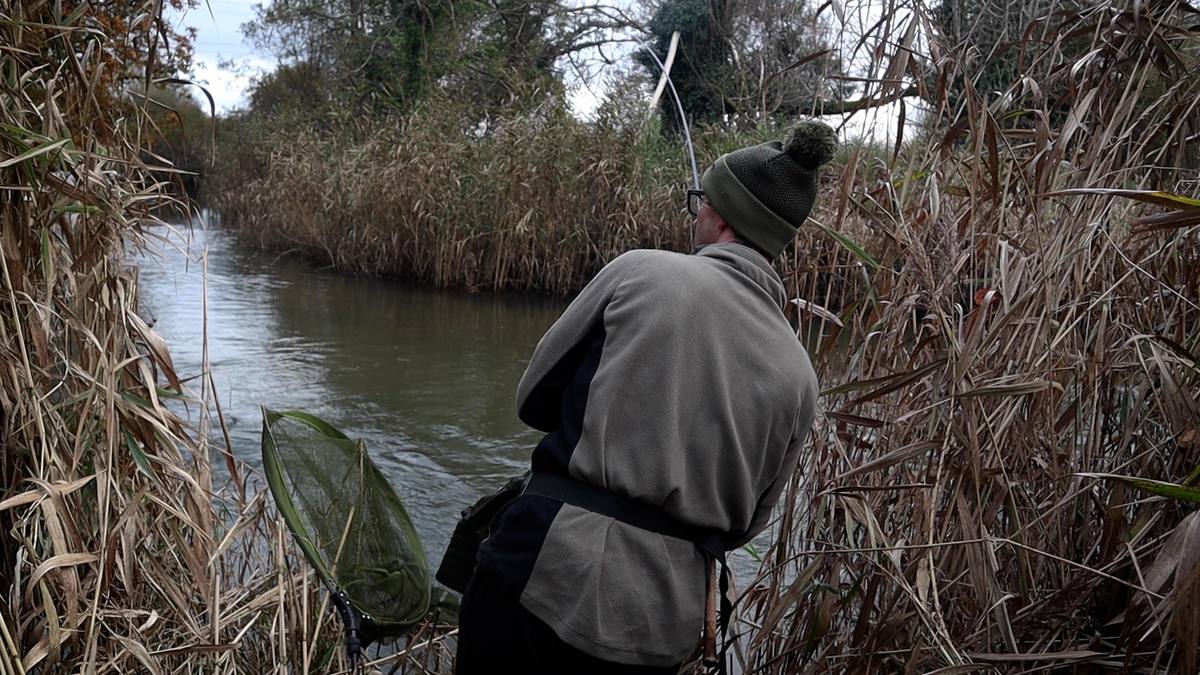
Once hooked, Grayling put up a spirited fight. Keep the rod tip high and use its action to absorb sudden lunges. I will often do very little after initially hooking a grayling, I’ll simply hold it in the flow. Take your time, especially when landing larger fish, to avoid damaging their delicate mouths.
Adapting Tactics to Conditions
Weather and Water Levels
After heavy rain, the rivers can run high and coloured. In these conditions, a larger float and a slightly heavier line are advisable. Hook size may also be increased as the larger grayling become more difficult to land in the heavy flow.
In low, clear water, scale down your tackle, using finer line and smaller hooks to avoid spooking the fish.
Depth Adjustment
Regularly adjust the float to ensure your bait is drifting just off the bottom, where grayling are most likely to feed. If bites are scarce, try slightly deeper or shallower presentations to locate the fish. Generally the grayling will feed more confidently close to the river bed and therefore keep increasing the depth until you start snagging the bottom and then shallow up slightly.
Varying Bait Presentation
While maggots are the staple, consider using casters, small worms, or even sweetcorn as alternatives if bites dry up. A change in bait can sometimes trigger reluctant grayling to feed.
Why Grayling Fishing on the River Frome is so Special
The river in winter offers a unique blend of beauty and challenge. Its clear waters and lively grayling make every trip a rewarding experience, whether you’re a seasoned angler or a newcomer. Trotting with maggots is a traditional method that connects you with the river’s rhythm, demanding skill and patience but offering immense satisfaction.
The joy of watching a perfectly controlled float dance through a glide, the thrill of striking into a solid grayling, and the serenity of the surroundings combine to create unforgettable days on the water. For many anglers, this is the essence of winter fishing at its finest.
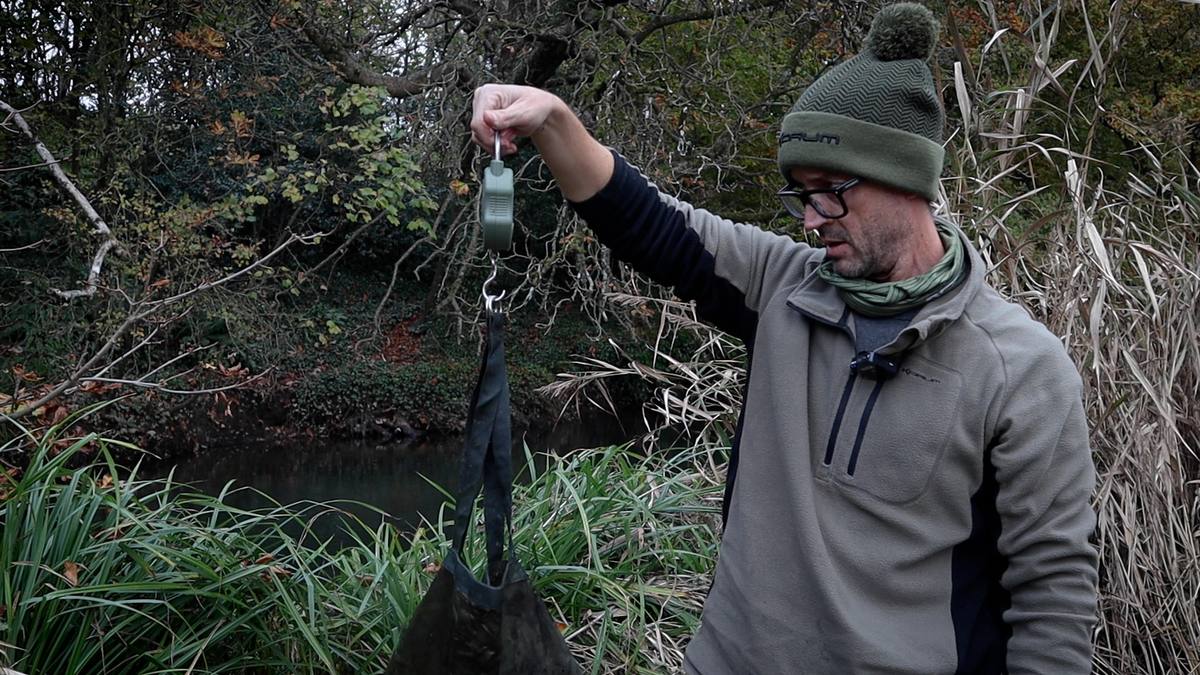
You never know when you might bump into something that’s particularly special.
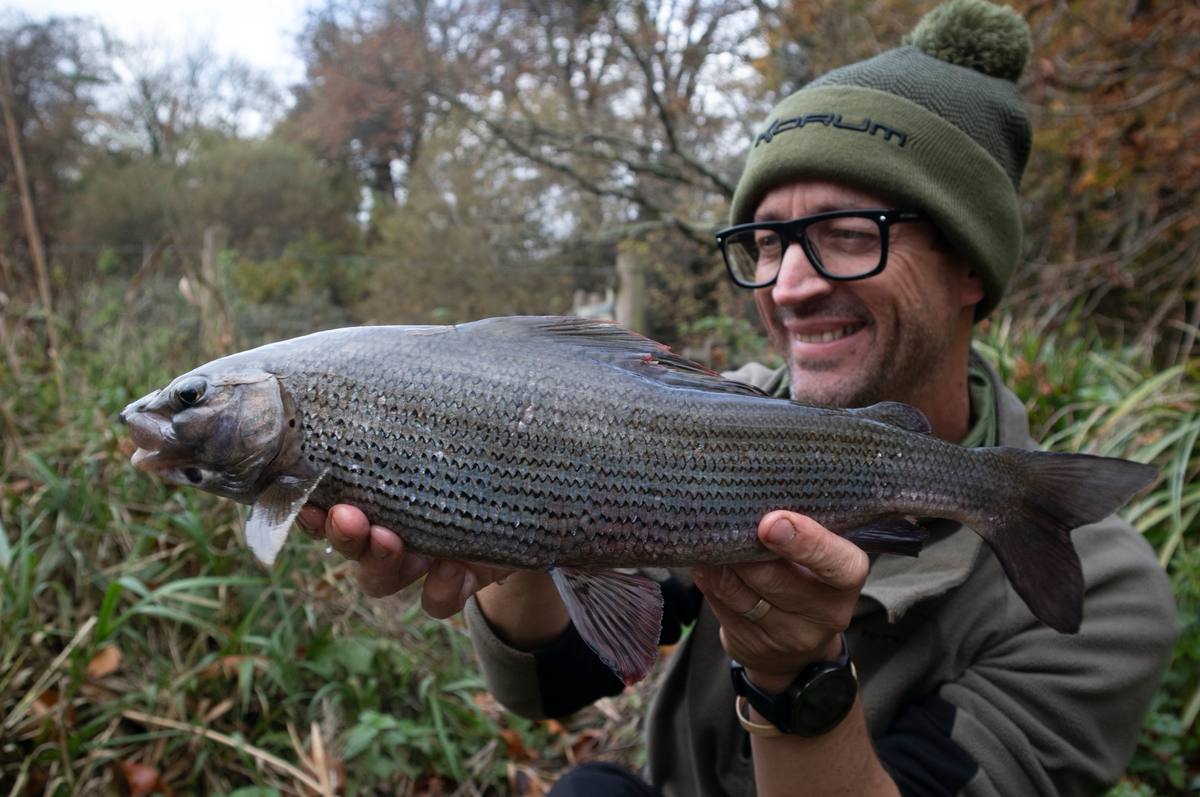
With the right tackle, thoughtful tactics, and an appreciation for the river’s natural beauty, grayling fishing on the River Frome can be a deeply rewarding experience. It’s a chance to connect with one of England’s most iconic fish and immerse yourself in the timeless art of float fishing. Scaling down your kit and staying mobile helps keep you warm, as the constant movement keeps your blood flowing. You’ll hardly notice the cold as you explore these stunning rivers, which truly showcase their beauty during the winter months.